Dry Hire Vs Wet Hire: Making The Right Choice For Your Project
Hiring machinery is often a key part of getting a project off the ground, but choosing how that equipment is supplied can make a significant difference to cost, efficiency and overall outcomes. One of the most common decisions contractors and builders face is whether to go with dry hire or wet hire.
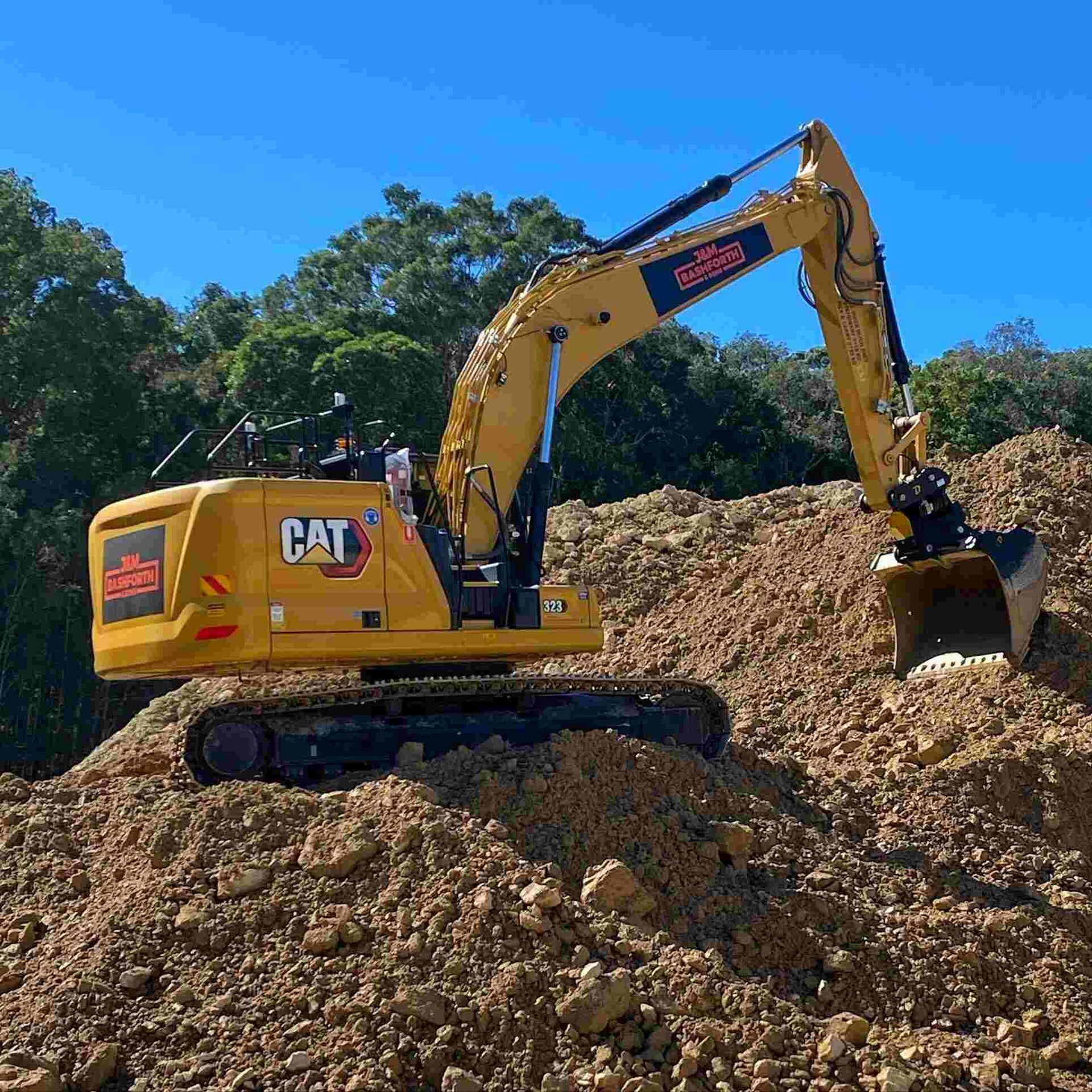
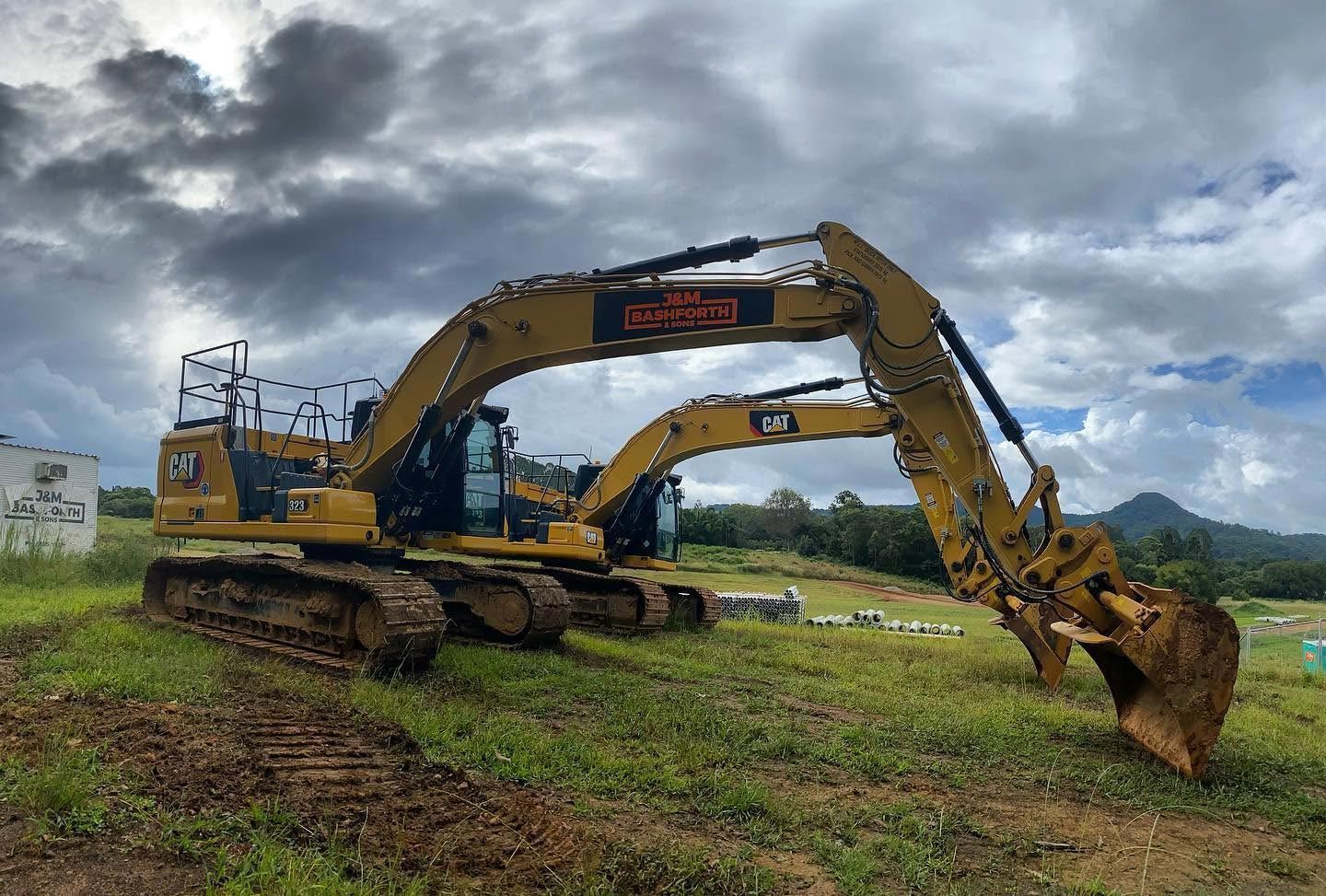
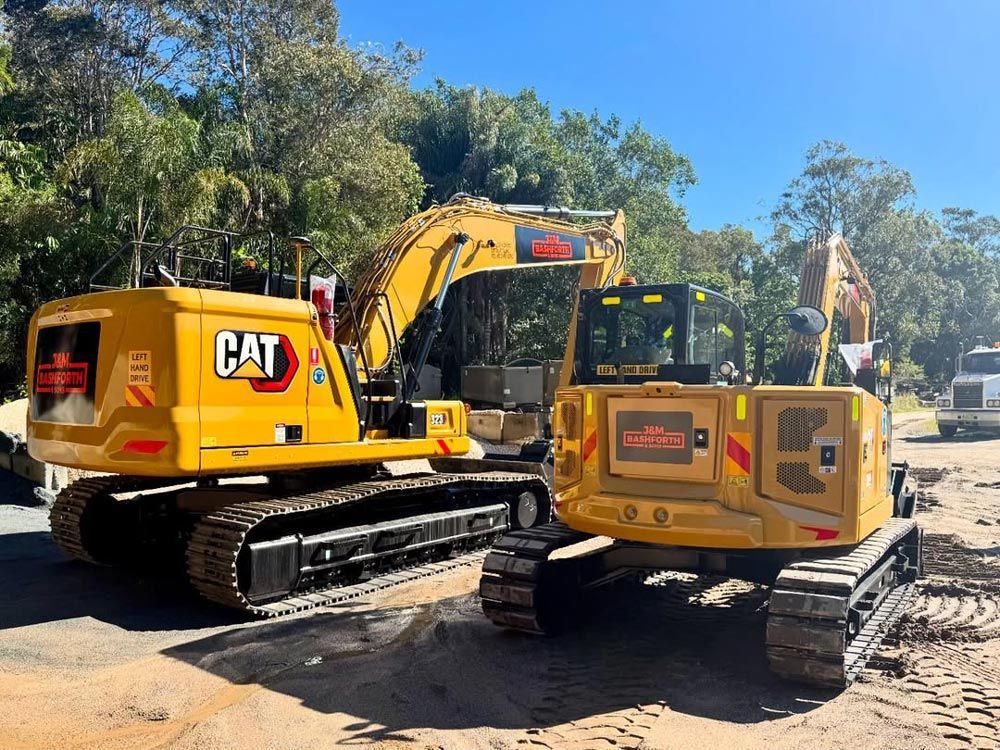
For those considering excavator hire in Tweed Heads, understanding how each option works helps ensure the right choice is made based on the scope of the job, available resources and timeline expectations.
Understanding the Difference Between Dry Hire and Wet Hire
The distinction between dry hire and wet hire is straightforward, but the implications are broader than they first appear.
Dry hire refers to hiring equipment only. The contractor supplies their own operator, manages the machine on-site and takes responsibility for how it is used. Wet hire, on the other hand, includes both the machine and a qualified operator provided by the hire company.
While the definition is simple, deciding between the two depends on factors such as experience, project complexity and how much control is required on-site.
When Dry Hire Makes Sense
Dry hire is often chosen by contractors who already have skilled operators within their team. It allows for greater flexibility in how the equipment is used and how the project is managed day to day.
Because only the machine is being hired, the upfront cost is typically lower compared to wet hire. This can be beneficial for projects where labour is already accounted for or where budgets need to be tightly managed.
However, dry hire places responsibility on the contractor. This includes operating the machinery safely, ensuring it is used correctly and managing any issues that arise during the hire period.
For experienced teams, this level of control can be an advantage. For others, it can introduce additional pressure.
When Wet Hire Is the Better Option
Wet hire includes both the equipment and a qualified operator, which changes how the project is managed. Instead of needing to allocate internal resources, the contractor relies on an experienced operator who understands the machinery and how to use it efficiently.
This can improve productivity, particularly on more complex jobs. An experienced operator is often able to complete tasks more quickly and with greater precision, reducing the likelihood of errors or delays.
Wet hire can also simplify project management. With the operator provided, there is less need to coordinate staffing or training.
For projects requiring excavator hire in Tweed Heads, wet hire is often selected when reliability and efficiency are priorities, particularly where timelines are tight.
Comparing Costs Beyond the Hourly Rate
At first glance, dry hire may appear more cost-effective due to the lower hourly rate. However, the overall cost of a project depends on more than just the hire fee.
With dry hire, additional costs may include operator wages, potential downtime due to inexperience and the risk of inefficiencies during operation. If the equipment is not used optimally, the project may take longer to complete.
Wet hire typically has a higher upfront cost, but this often includes the benefit of experienced operation. Faster completion times and reduced errors can offset the higher rate, particularly on projects where time is a critical factor.
When comparing dry hire vs wet hire, it’s important to consider total project cost rather than just the initial price.
Impact on Productivity and Efficiency
Productivity is closely linked to how effectively machinery is used on-site. An experienced operator can make a significant difference to how quickly tasks are completed and how smoothly the project progresses.
With dry hire, productivity depends on the skill level of the operator. If the team is experienced, results may be comparable to wet hire. If not, tasks may take longer and require additional adjustments.
Wet hire introduces a level of consistency. Operators are familiar with the equipment and can adapt to site conditions more efficiently, helping maintain steady progress.
For contractors working to tight schedules, this reliability can be a key advantage.
Safety Considerations on Site
Operating heavy machinery involves inherent risks, and safety is a critical factor in any project.
With dry hire, responsibility for safe operation rests with the contractor. This includes ensuring operators are qualified, following correct procedures and maintaining a safe work environment.
Wet hire reduces some of this responsibility by providing a trained operator who understands the equipment and follows established safety practices. This can help minimise risk, particularly on complex or high-risk sites.
For projects involving excavator hire in Tweed Heads, safety considerations often influence the decision between dry and wet hire, especially where site conditions are challenging.
Project Complexity and Scope
The nature of the project itself often determines which option is more suitable.
Simple tasks such as basic excavation or site preparation may be well suited to dry hire if an experienced operator is available. More complex projects, including detailed excavation or work in restricted spaces, may benefit from the precision and experience provided through wet hire.
Understanding the scope of the project helps determine whether flexibility or expertise should take priority.
Managing Timelines and Delays
Project timelines are another important consideration. Delays can occur for a range of reasons, but the way equipment is operated can influence how quickly issues are resolved.
With dry hire, delays may occur if the operator is unfamiliar with the equipment or if adjustments are needed during the process. Wet hire can reduce this risk, as experienced operators are typically better equipped to handle unexpected challenges.
For contractors aiming to keep projects on schedule, this can be an important factor in the decision-making process.
Choosing the Right Option for Your Project
There is no single answer when it comes to choosing between dry hire and wet hire. The right option depends on the specific requirements of the project, including available skills, budget and timeframe.
For contractors with experienced operators and straightforward project needs, dry hire offers flexibility and control. For those prioritising efficiency, safety and reliability, wet hire may be the more practical choice.
Understanding the differences between dry hire vs wet hire helps ensure the decision is based on the full picture rather than just one factor.
Making the Right Hire Decision
Hiring the right equipment in the right way can have a significant impact on how a project runs from start to finish. Considering factors such as cost, productivity, safety and timeline helps ensure the choice supports the overall outcome.
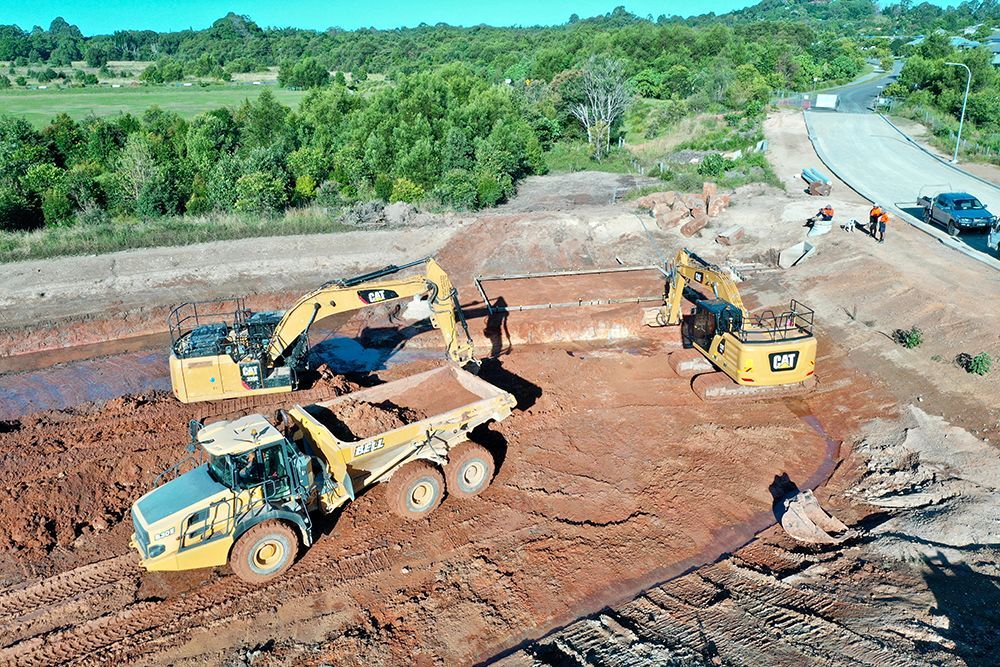
At J & M Bashforth & Sons, we provide reliable excavator hire in Tweed Heads, offering both dry and wet hire options to suit different project requirements. We understand the demands of construction and earthworks projects and can help you choose the most suitable approach for your site.
If you are planning an upcoming project,
contact J & M Bashforth & Sons to discuss your requirements and find the right hire solution for your needs.