Excavator Hire For Pool Excavation: What To Expect
Pool excavation is one of those projects that looks straightforward on paper but reveals its complexity quickly once a machine hits the ground. The shape and size of the pool, what lies beneath the surface and how equipment will access the yard all matter before a single bucket of soil gets shifted. Homeowners planning a pool build often underestimate how much the excavation phase determines the timeline, cost and outcome of the entire project. Understanding what's involved from the start helps you plan more accurately and avoid costly surprises mid-dig. If you're at the planning stage, knowing what to look for in excavator hire Byron Bay is a useful first step.
What Happens During a Pool Excavation
Pool excavation isn't just digging a hole. It's a structured process that involves site preparation, careful machine operation, spoil management and constant checking against the pool design specifications. The excavator operator works to tolerances that matter. A pool shell that doesn't fit properly because the dig was off-spec will cost significantly more to fix than to get right the first time.
The key stages of a pool excavation typically include:
- Site assessment and mark-out based on pool design drawings
- Access preparation to get machinery into the yard
- Bulk excavation to approximate depth and shape
- Trim excavation to final dimensions
- Spoil loading and removal from site
- Inspection by the pool contractor before shell installation
How Soil Type Affects the Dig
Coastal NSW presents a varied range of soil conditions depending on exactly where you're building. Sandy soils are common near the coast and generally excavate quickly, but they can be unstable and prone to collapse if not managed carefully. Clay-heavy soils further inland hold their shape better but are significantly harder to move, increasing machine hours. Rocky ground, which does appear in parts of the Northern Rivers hinterland, requires a different approach altogether.
Knowing the likely soil profile before the dig begins allows for more accurate quoting and scheduling:
- Sandy coastal soils: fast to excavate, require shoring or careful staging
- Clay soils: slower, heavier work, higher wear on machinery
- Mixed profiles: common in transitional areas between coast and hinterland
- Rocky or highly compacted ground: may require rock-breaking attachments
- Fill material from previous construction: unpredictable and potentially unstable
Choosing the Right Excavator Size
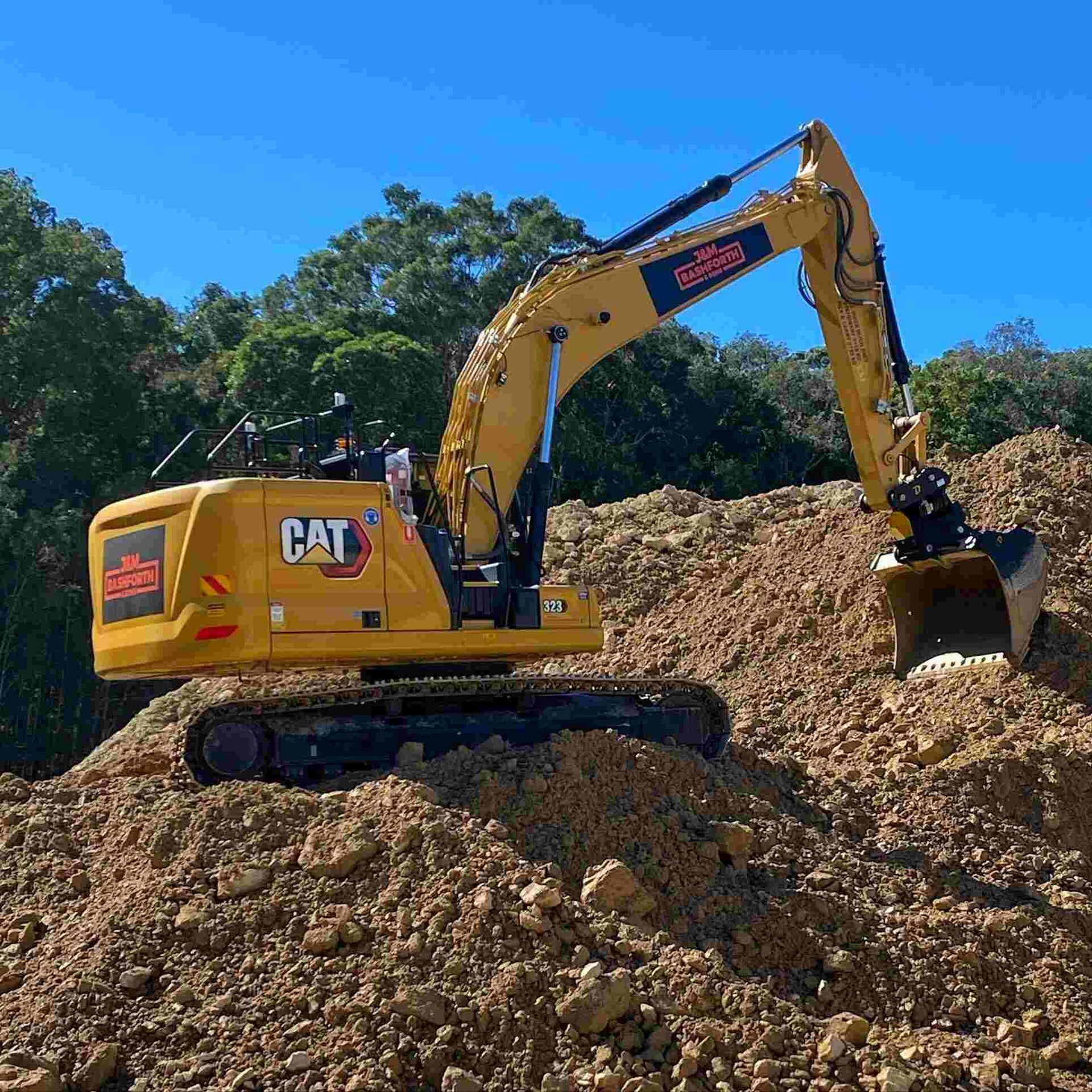
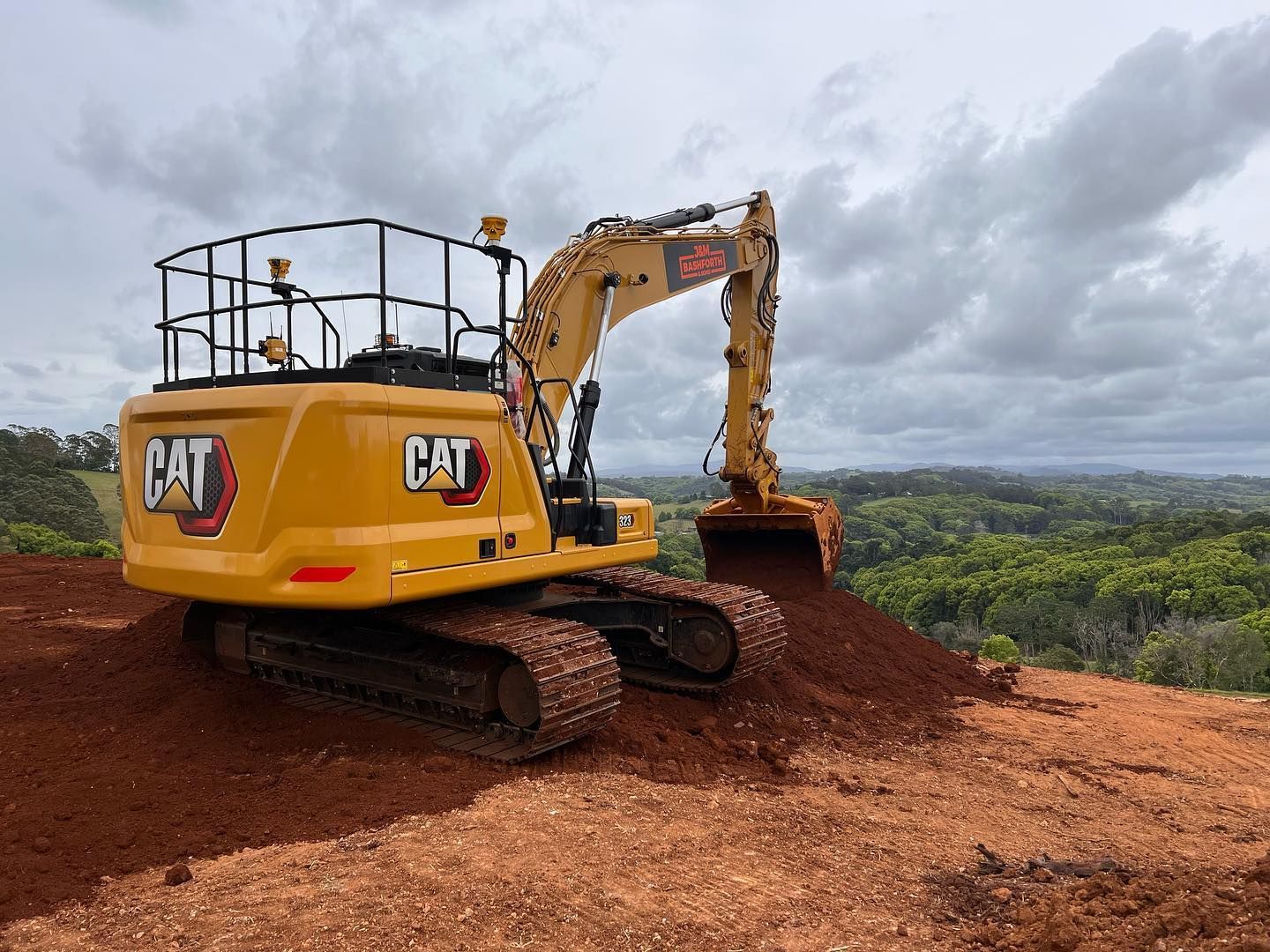
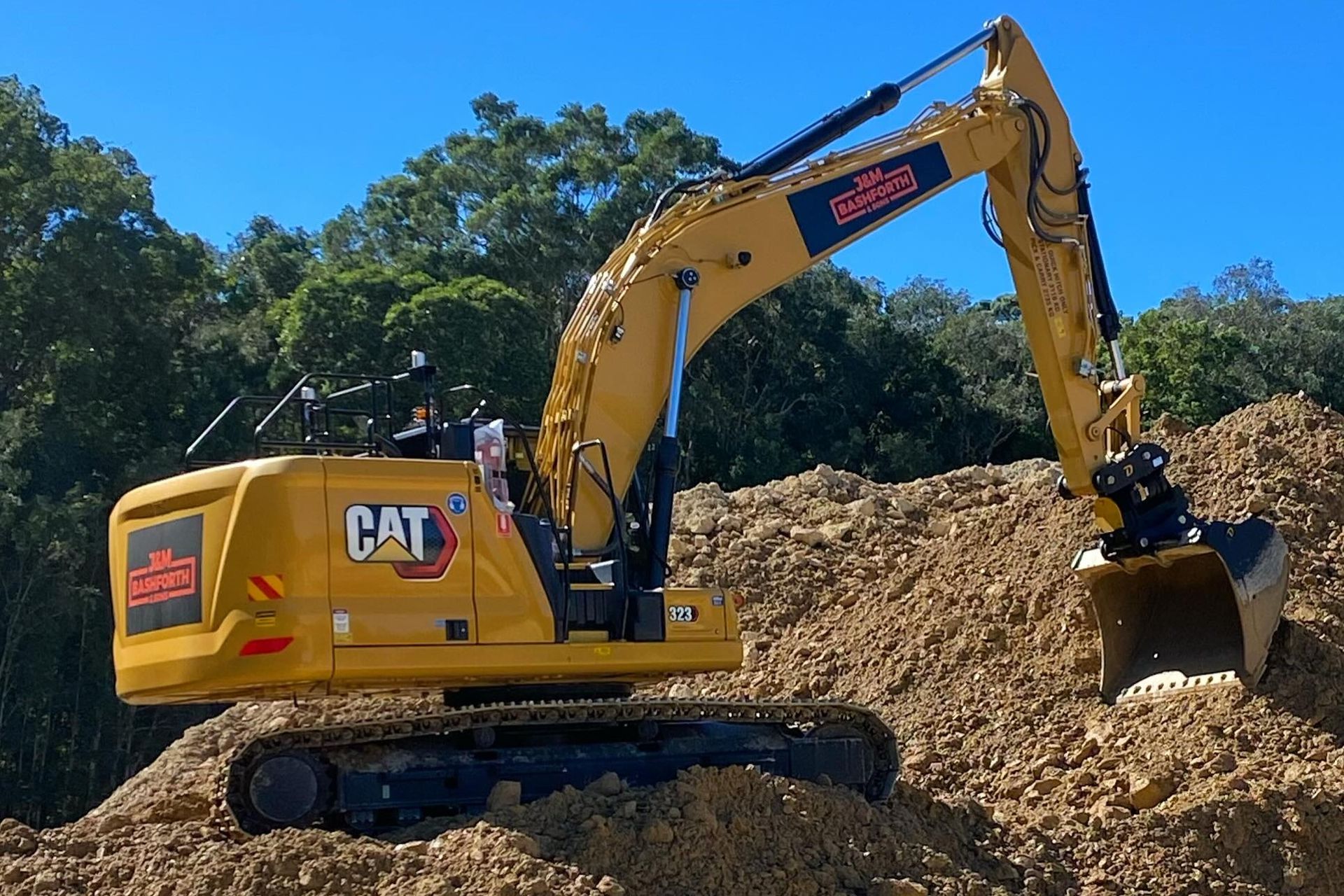
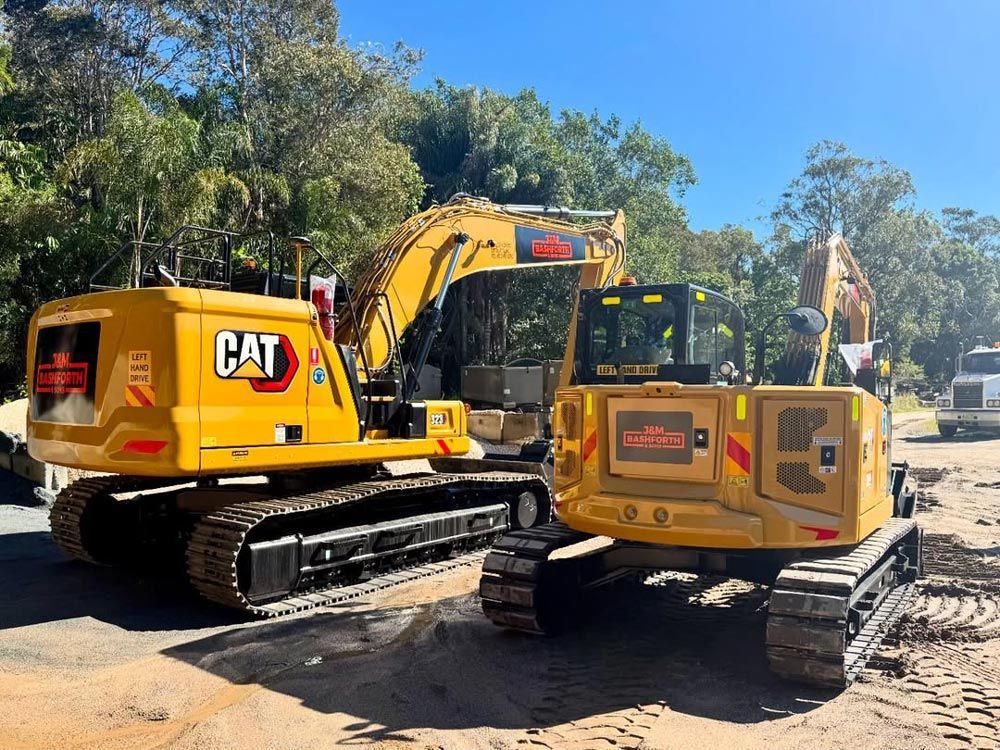
Machine selection depends on a combination of pool size, site access and working conditions. A large excavator makes short work of bulk earthworks but may not fit through a standard side gate. A compact machine might fit the access but require more passes to complete the same volume of work. The right choice balances efficiency with practicality.
Factors that influence machine size selection for a pool dig include:
- Pool dimensions and depth (a larger pool needs more reach and bucket capacity)
- Gate or side access width (most residential sites have 900mm–1200mm openings)
- Distance from access point to dig site
- Ground clearance and slope across the yard
- Presence of existing structures, trees or underground services
Access: the Detail That's Often Overlooked
Access planning is one of the most common areas where pool builds encounter delays. An excavator that can't reach the dig site without removing fencing, retaining walls or established plants creates immediate additional costs. Assessing access before the job is booked protects the timeline and the budget.
Checking access ahead of time means looking at several practical factors:
- Width and height of all entry points, including side gates and driveway clearances
- Ground conditions along the access path (soft ground can cause tracking damage)
- Overhead obstructions like eaves, pergolas or power lines
- Whether temporary fencing removal is needed
- Any underground irrigation, drainage or electrical lines near the access route
Understanding Spoil Removal
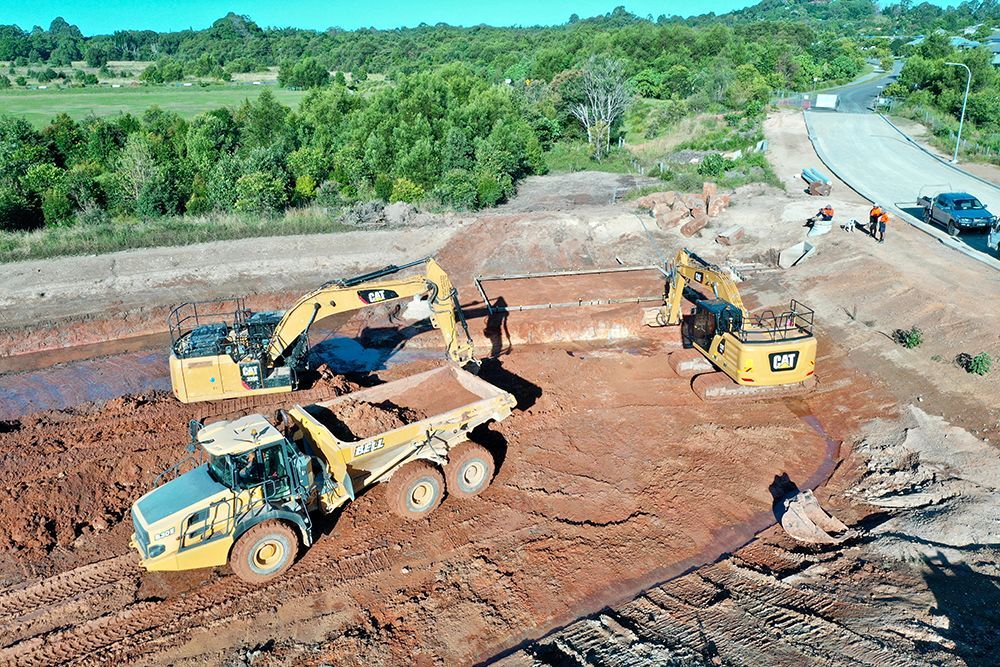
Every pool excavation generates a significant volume of soil, referred to as spoil, that needs to leave the site. A standard residential pool can generate 40–80 cubic metres of material depending on size and depth. That spoil needs to be loaded, transported and disposed of correctly, which adds to overall project costs and requires planning for truck access as well as machine access.
Spoil removal is an important logistical element to plan for early:
- Volume of spoil is calculated from pool dimensions plus working space around the shell
- Spoil trucks need suitable access, as tight residential sites can limit options
- Some spoil can be repurposed on-site if the material is clean and suitable for fill
- Tipping fees at local disposal facilities apply and vary by material type
- Timing spoil removal to coincide with excavation avoids on-site stockpiling issues
What to Check Before the Dig Begins
A well-prepared site makes a meaningful difference to how efficiently the excavation runs. Pool builders and excavation contractors will typically carry out their own pre-dig checks, but homeowners benefit from understanding what's involved so they can ask the right questions and prepare the property accordingly.
Pre-dig preparation typically covers several key areas:
- Dial Before You Dig enquiry to identify underground services
- Confirmation of pool design drawings and mark-out on site
- Checking council approvals are in place before work starts
- Identifying any easements or survey requirements that affect dig boundaries
- Ensuring neighbouring properties aren't affected by vibration or access
Pool Excavation as Part of a Broader Earthworks Scope
Some pool projects sit within a larger construction scope, whether that's a new home build, a significant backyard renovation or a site that also needs retaining walls, drainage or cut-and-fill work. In these cases, the pool excavation is one element within a broader earthworks package. Pool excavation is one of the most popular residential applications, so it's worth reading our blog on the most common projects that require excavator hire for the full picture.
Combining scopes where possible has practical advantages:
- Reduces the number of separate contractor mobilisations
- Allows spoil from multiple stages to be managed together
- Enables smarter sequencing of civil and construction phases
- Gives a clearer picture of total earthworks cost upfront
- For larger or more complex digs, our earthworks services team can manage the full scope from site assessment through to completion
Working With an Experienced Local Operator
Local knowledge adds real value in excavation work. An operator familiar with the soil profiles, site access challenges and logistical conditions of a specific region will assess a job more accurately than one coming in with no local context. That familiarity translates into more reliable quotes, fewer surprises during the dig and better outcomes overall.
There are several practical reasons to choose a locally experienced operator for pool excavation:
- Accurate assessment of likely soil conditions and any known ground hazards
- Understanding of local access challenges common to residential properties
- Established relationships with local spoil disposal and tipping facilities
- Knowledge of council requirements specific to the region
- Ability to respond quickly if unexpected conditions are encountered mid-dig
We also provide excavator hire Ballina for pool projects, earthworks and civil construction across the wider Northern Rivers corridor.
Ready to Plan Your Pool Excavation?
We at J & M Bashforth & Sons have carried out pool excavations across the Byron Bay region and surrounding areas for many years, working with homeowners, pool builders and civil contractors on everything from compact residential digs to larger multi-stage earthworks projects. We understand the soil conditions, the access challenges and the level of care these jobs require. If you're planning a pool build and need excavator hire in Byron Bay, get in touch with our team to discuss your project, confirm access requirements and get an accurate quote before work begins.