Optimising Your Fleet: Mini Or Large Excavator For The Job?
On a busy construction site, equipment choices can make or break productivity. Selecting the right excavator size affects everything from cycle times and fuel use to access and transport logistics. Contractors and builders are increasingly focused on getting more output from every hour on site while keeping costs under control. That is where smart excavator hire in Ballina decisions come into play. Rather than defaulting to the biggest machine available, understanding how excavator size aligns with project demands helps optimise efficiency, safety, and overall performance.
Why Excavator Size Has a Direct Impact on Project Efficiency
Excavator size influences how smoothly work progresses across all stages of a project. A machine that is too small can slow production, while one that is too large may create unnecessary costs or site constraints.
Choosing the right size helps align machine capability with actual workload requirements. This ensures tasks are completed efficiently without wasting fuel or time.
The key factors affected by excavator size include:
- Cycle times & material movement rates
- Fuel consumption relative to output
- Operator efficiency & fatigue over long shifts
By matching equipment size to the job, contractors can maintain steady progress and reduce downtime. This approach supports more efficient excavator hire planning rather than reactive equipment changes mid-project.
When a Mini Excavator Is the Smarter Choice On-Site
A mini excavator is often the most practical solution on sites with limited access or tight working conditions. These machines excel where precision and manoeuvrability matter more than raw digging power.
Urban developments, service trenches, and residential projects often benefit from smaller equipment that can work around existing structures without disruption.
Situations suited to a mini excavator include:
- Narrow access points & confined work zones
- Projects requiring minimal ground disturbance
- Short-duration tasks with frequent repositioning
Mini excavators also simplify transport logistics, reducing setup time and allowing crews to move quickly between sites. For contractors focused on efficiency, the mini excavator offers flexibility without compromising control.
Where Large Excavators Deliver Greater Productivity Gains
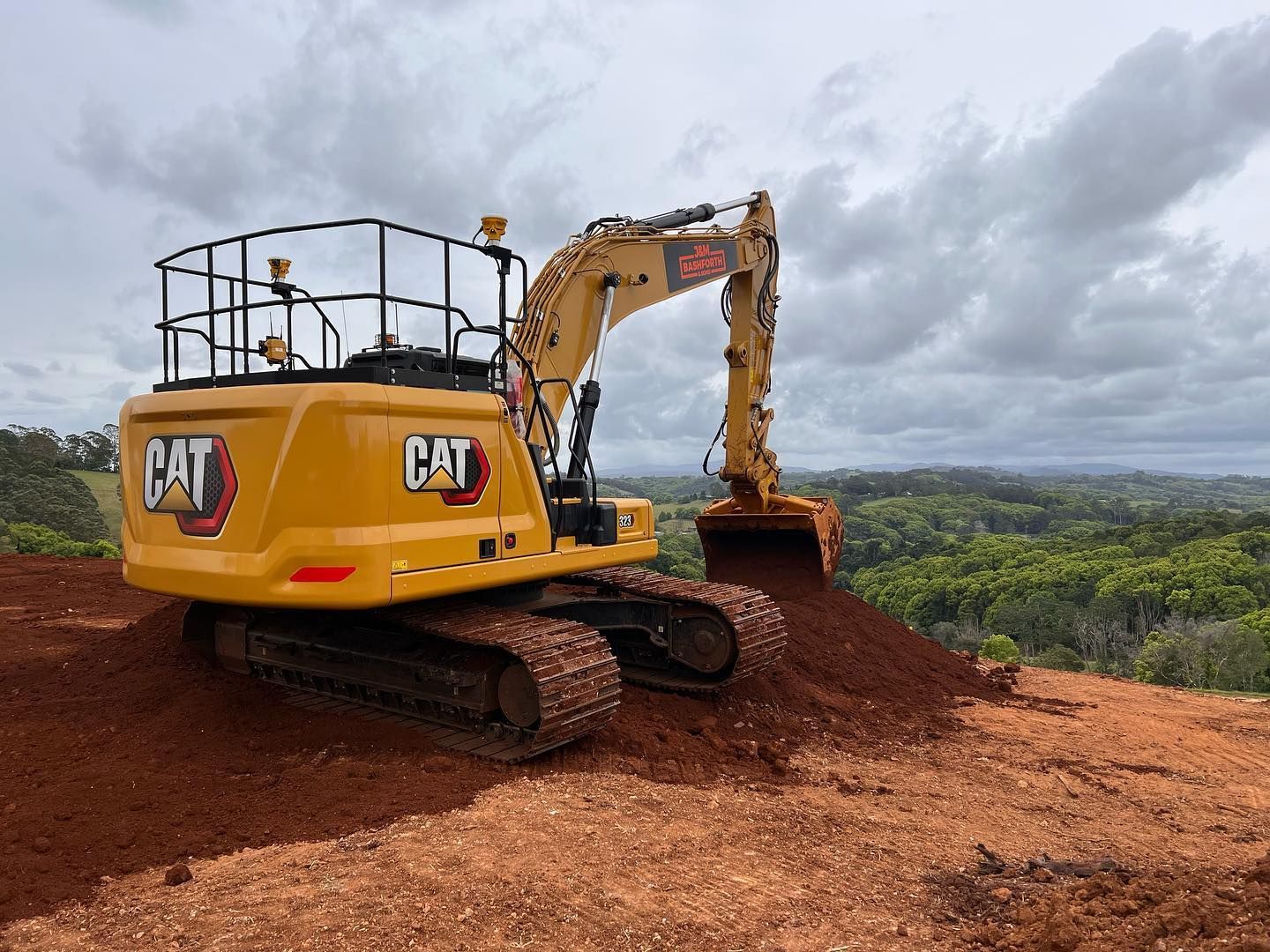
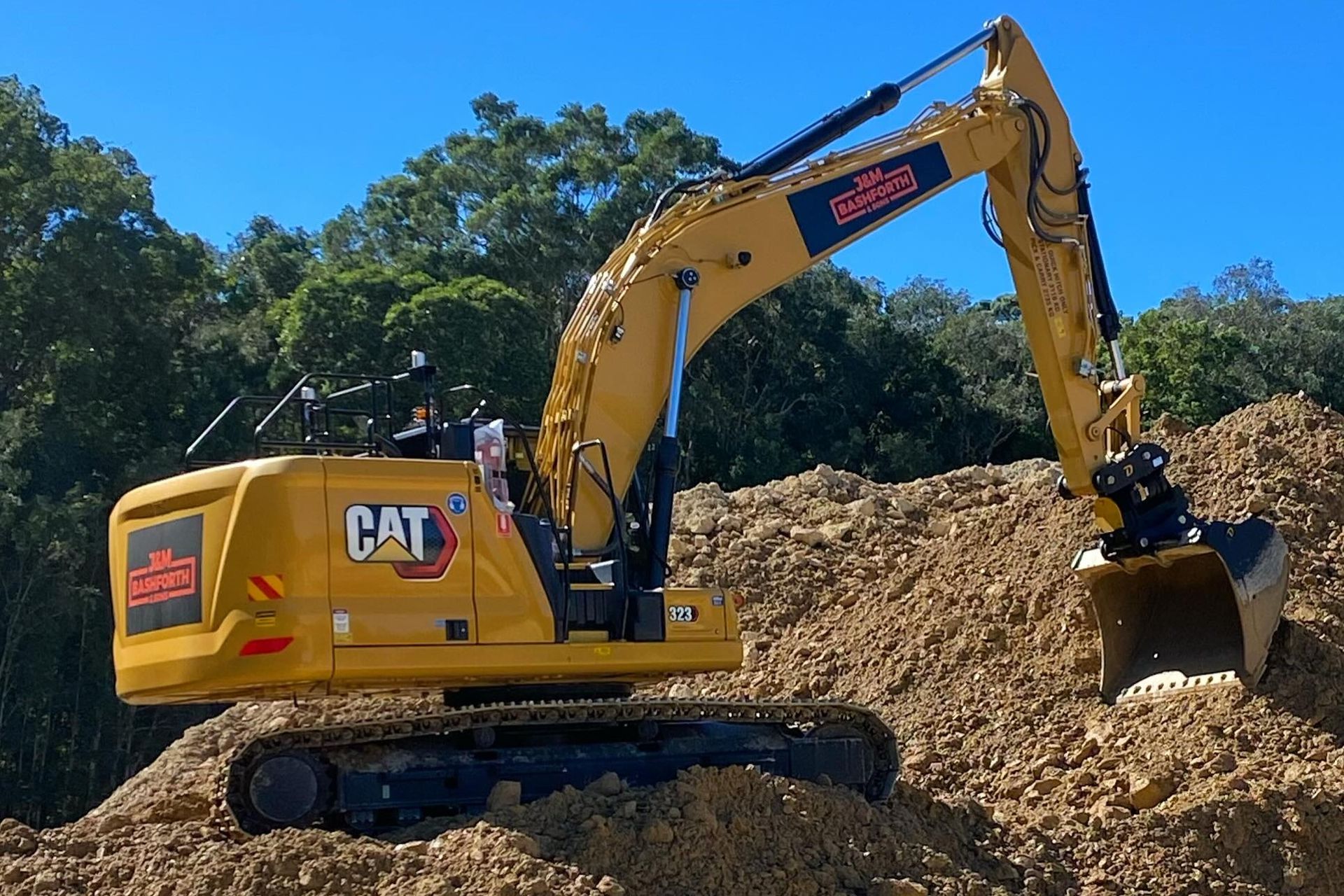
Large excavators come into their own on projects requiring high-volume earthmoving or deep excavation. Their capacity and reach allow operators to move more material in fewer cycles, which can significantly shorten project timelines.
On open sites with sufficient space, larger machines reduce the need for multiple passes or supplementary equipment.
The productivity advantages of large excavators include:
- Greater digging depth & reach
- Higher bucket capacity for bulk material handling
- Reduced cycle counts on large-scale works
While a large excavator may have higher operating costs, its output often offsets these expenses when used on appropriate tasks. Selecting the right machine size ensures productivity gains are realised rather than diluted.
Balancing Fuel Efficiency & Output Across Excavator Sizes
Fuel efficiency is not just about litres per hour; it is about output per litre. Smaller machines typically use less fuel, but they may take longer to complete heavy tasks. Larger machines consume more fuel but often complete work faster. Optimising this balance requires understanding the relationship between workload and machine capacity.
Considerations include:
- Fuel use relative to material moved
- Idle time caused by underutilised capacity
- Productivity losses from undersized equipment
By analysing job requirements upfront, contractors can choose equipment that delivers the best cost-to-output ratio. This approach supports smarter excavator hire decisions rather than relying on assumptions about fuel savings.
Transport, Access & Site Constraints You Need to Factor In
Transport logistics and site access play a major role in equipment selection. Excavator size affects how easily machinery can be delivered, positioned, and operated on site.
Larger machines often require specialised transport and additional setup time. Smaller machines offer simpler logistics and faster mobilisation.
Key constraints to assess include:
- Transport requirements & scheduling
- Site access width & turning space
- Setup time & compliance considerations
Accounting for these factors early helps avoid delays and unexpected costs. Matching machine size to site conditions ensures excavator hire supports workflow rather than creating bottlenecks.
Matching Excavator Hire to Project Scope & Timeline
Project scope and duration should guide excavator selection. Short-term jobs may benefit from compact equipment that can be mobilised quickly, while longer projects may justify larger machines to maximise output.
As projects evolve, equipment needs can also change. Flexible hire arrangements allow contractors to adjust machinery as work progresses.
Important considerations include:
- Project length & staging requirements
- Potential need to scale equipment up or down
- Coordination with other plant and crews
Using excavator hire strategically allows contractors to align equipment with each phase of the project rather than committing to a single machine size throughout.
Cost Control Strategies Using the Right Excavator Size
Effective cost control is about more than hire rates. Productivity, labour efficiency, and downtime all influence the true cost of equipment on site. Choosing the wrong excavator size can lead to higher overall costs, even if the hire rate appears lower.
Cost control strategies include:
- Reducing labour hours through efficient output
- Minimising downtime from machine limitations
- Avoiding overcapitalisation on oversized equipment
By focusing on total project cost rather than individual line items, contractors can make informed decisions that support long-term profitability. This approach reinforces the value of thoughtful excavator hire planning.
Getting Expert Advice to Optimise Excavator Hire Decisions
Experience plays a crucial role in selecting the right excavator for the job. Understanding how machine size interacts with site conditions, timelines, and logistics requires practical insight. Professional guidance helps contractors avoid mismatches between equipment and project demands.
Expert advice can assist with:
- Assessing site constraints & access
- Matching machine capacity to workload
- Planning equipment changes as projects evolve
This level of support ensures excavator hire in Ballina aligns with real-world conditions rather than theoretical specifications.
Optimise Your Fleet for Upcoming Works
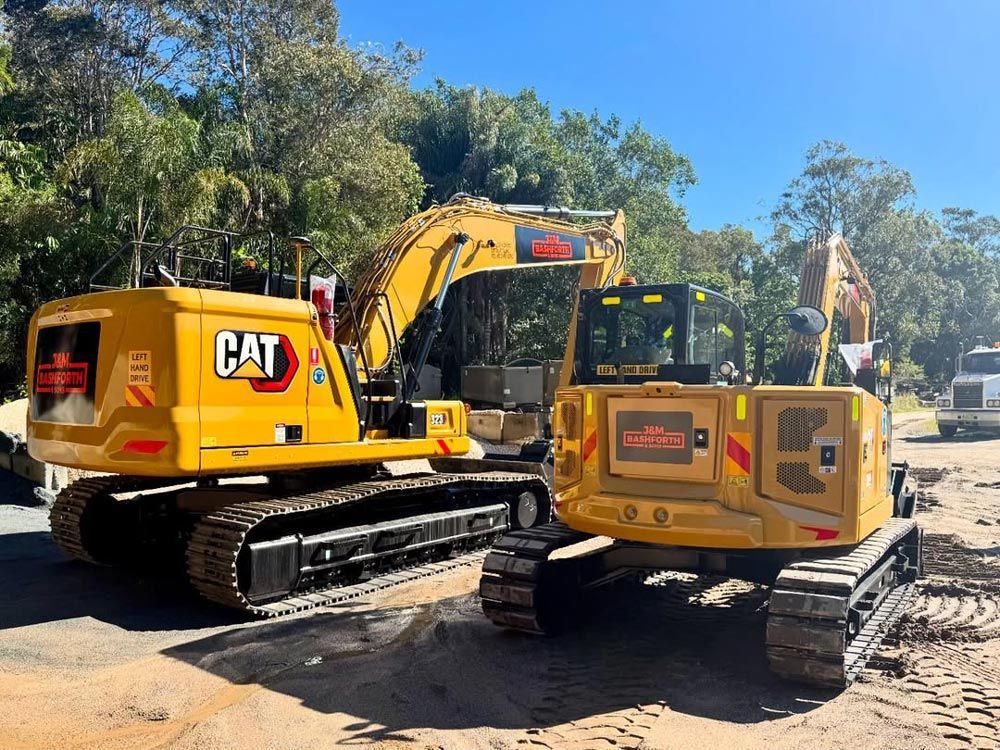
At J & M Bashforth & Sons, we work closely with contractors and builders to deliver practical equipment solutions that align with site conditions and project demands. With a strong understanding of access challenges, transport requirements, and scheduling pressures common across works in the Ballina region, we help simplify equipment selection from the outset.
If you are planning upcoming earthworks or reviewing your fleet options, contact our team to discuss excavator hire and compare mini excavator and large excavator options that best support your project.