Choosing An Excavator Size For Northern Rivers Sites: Access, Soil And Slope
Choosing an excavator by the size of the job alone can overlook something more fundamental: the site it has to work on. Across the Northern Rivers, that could mean a tight coastal block, low-lying floodplain, open farmland or a steep hinterland property. Access, ground conditions and terrain can all influence which machine is practical for the job.
That is why choosing excavator hire for Northern Rivers projects can accommodate starts with the site itself. A machine needs enough room to get in, manoeuvre and work, while its size and configuration also need to suit the ground beneath it.
J & M Bashforth & Sons has worked throughout the region since 1946, across residential, commercial and civil projects. That local experience provides a practical understanding of how dramatically conditions can change between the coast, river flats and hinterland — and why the biggest excavator available is not automatically the right one for every site.
Start With the Way Into the Site
Before thinking about digging capacity, consider whether the excavator can physically reach the work area. A coastal residential block in Byron Bay, Suffolk Park or Kingscliff can present very different access constraints from a rural property or large development site.
For an excavator size for tight access, useful measurements and site features to consider include:
- Gates and side passages
- Driveway width and turning space
- Clearance beside buildings, fences and retaining walls
- Overhead services and vegetation
- Changes in level along the access route
- Room for delivery and unloading.
Excavator access width is only part of the picture. A machine may fit through an opening but still lack the space required to manoeuvre once inside.
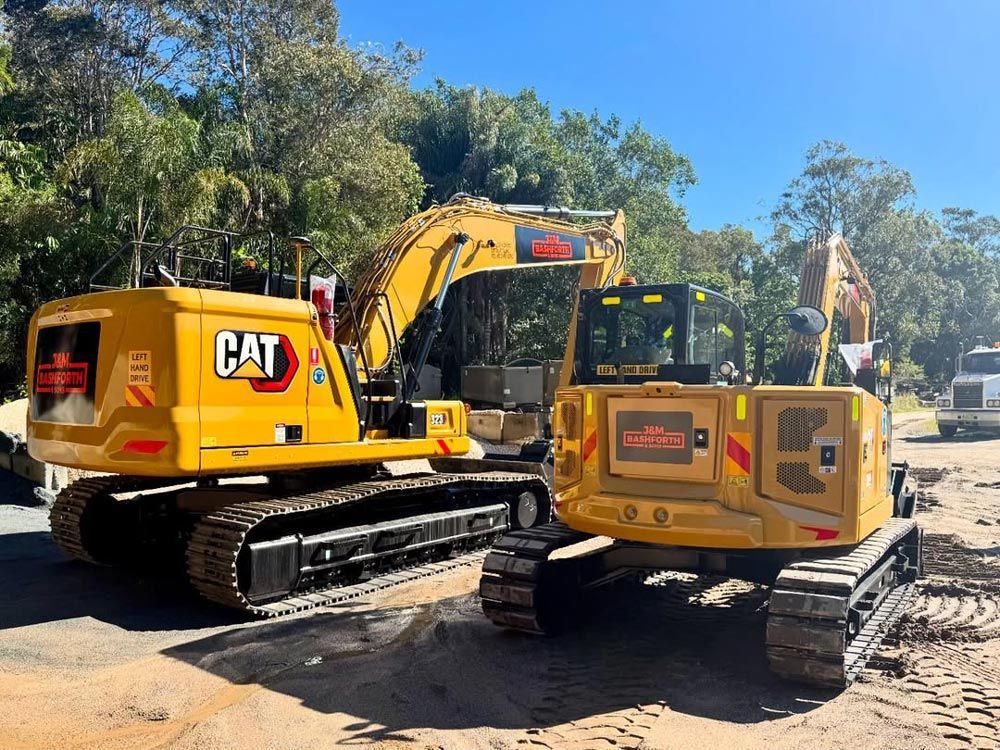
Compact excavators can make confined sites workable, while larger machines become an option where access and working space allow. The aim is not simply to squeeze a machine through the gate, but to choose one that can operate effectively once it gets there.
Coastal Sites Can Change the Machine Equation
Move towards the coast and sandy soils become another consideration. Ground that appears firm at the surface may behave differently once excavation begins, particularly where the water table is high or recent weather has affected the site.
Machine weight, track configuration and ground pressure therefore matter alongside reach and digging capacity. A heavier excavator may offer advantages for some tasks, but those advantages are less useful if site conditions cannot adequately support the machine.
This is where local conditions become important when arranging excavator hire Tweed Heads, Byron Bay or other coastal areas. Site assessment needs to consider where the excavator will travel and work, not simply what material needs to be removed.
Conditions can also change across one property. Filled areas, disturbed ground and wet sections may require a different approach from apparently similar ground only metres away.
Floodplains Bring Water and Ground Conditions Into the Decision
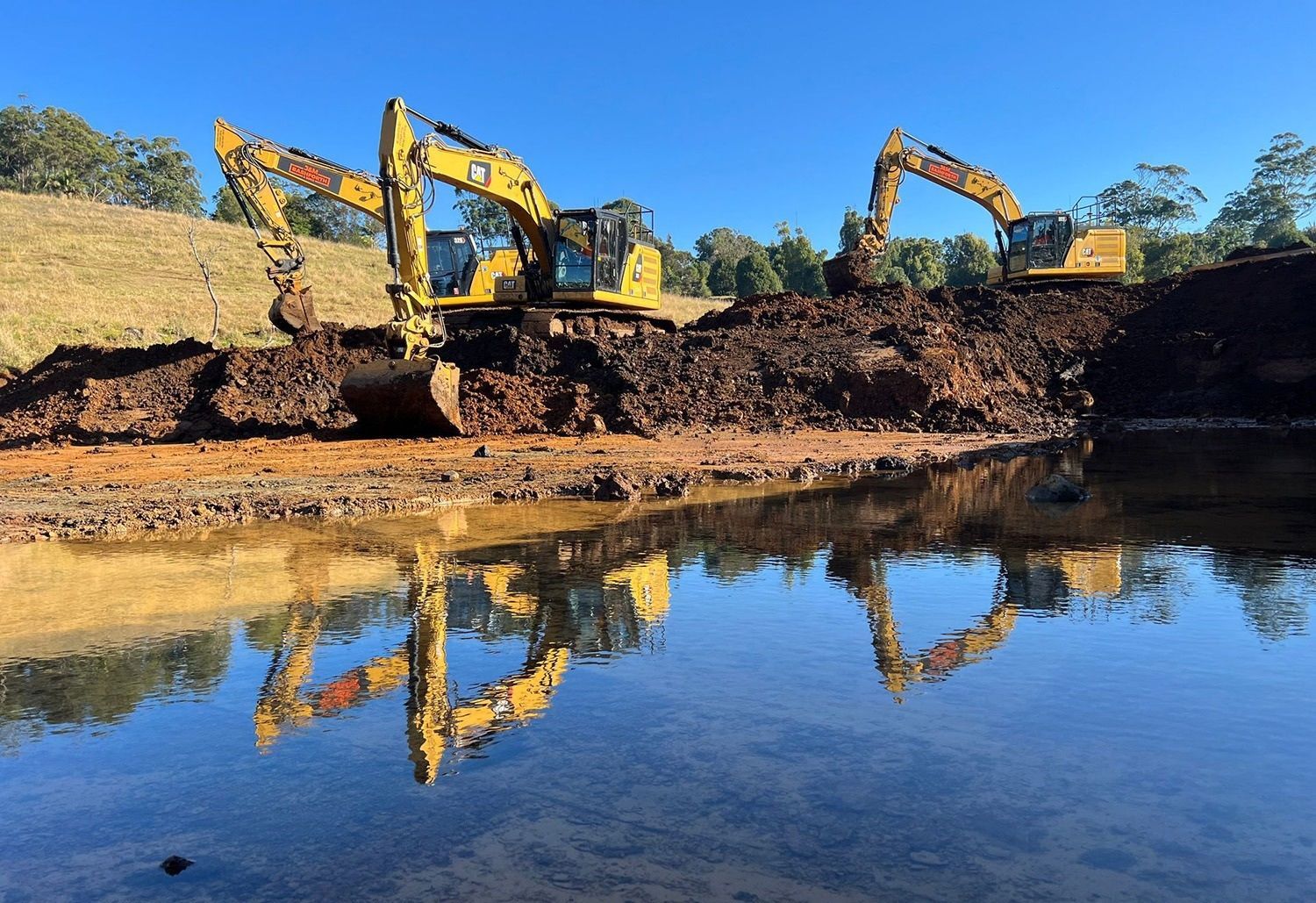
Across Ballina, Lismore and other low-lying parts of the Northern Rivers, excavation frequently intersects with water management. Floodplain soils, high water tables and areas affected by prolonged rain can change the bearing capacity of the ground and the stability of an excavation.
Drainage is also part of the wider picture. Earthworks may involve shaping land, constructing drains or working around existing waterways and drainage paths, so keeping water moving where it needs to go can influence how a site is approached.
Acid sulfate soils are another potential consideration in low-lying coastal areas. Where they are present, excavation and management may be subject to environmental and planning requirements. Choosing an excavator for acid sulfate soil is therefore not simply a question of machine size; the site conditions and required controls need to be understood first.
For
excavator hire in Ballina, assessing soil, access and the work required helps narrow down which machine is appropriate before it arrives.
What About Farms, Dams and Larger Rural Sites?
A rural site may have plenty of room, but that does not automatically make machine selection simple. Northern Rivers properties range from cane fields and river flats to grazing country and mixed terrain, with excavation work covering everything from drainage and access to dams and larger earthworks.
On an open site, a larger excavator may provide the reach and capacity needed for substantial excavation. But the route to the work area still matters. Creek crossings, soft paddocks, narrow farm tracks, culverts and wet ground can impose constraints long before the excavator reaches the job.
The nature of the work matters too. Excavating a dam, clearing or shaping land and completing drainage works place different demands on machinery than detailed excavation around existing infrastructure.
For broader plant hire Northern Rivers projects, considering the whole site rather than only the excavation area helps avoid choosing equipment that suits the task on paper but not the conditions around it.
Steep Blocks Are About Stability, Not Just Power
The hinterland around Bangalow, Murwillumbah and surrounding ranges presents another set of challenges. A property may have adequate space for a larger excavator yet have slopes, vegetation, rock or difficult access that make another machine more suitable.
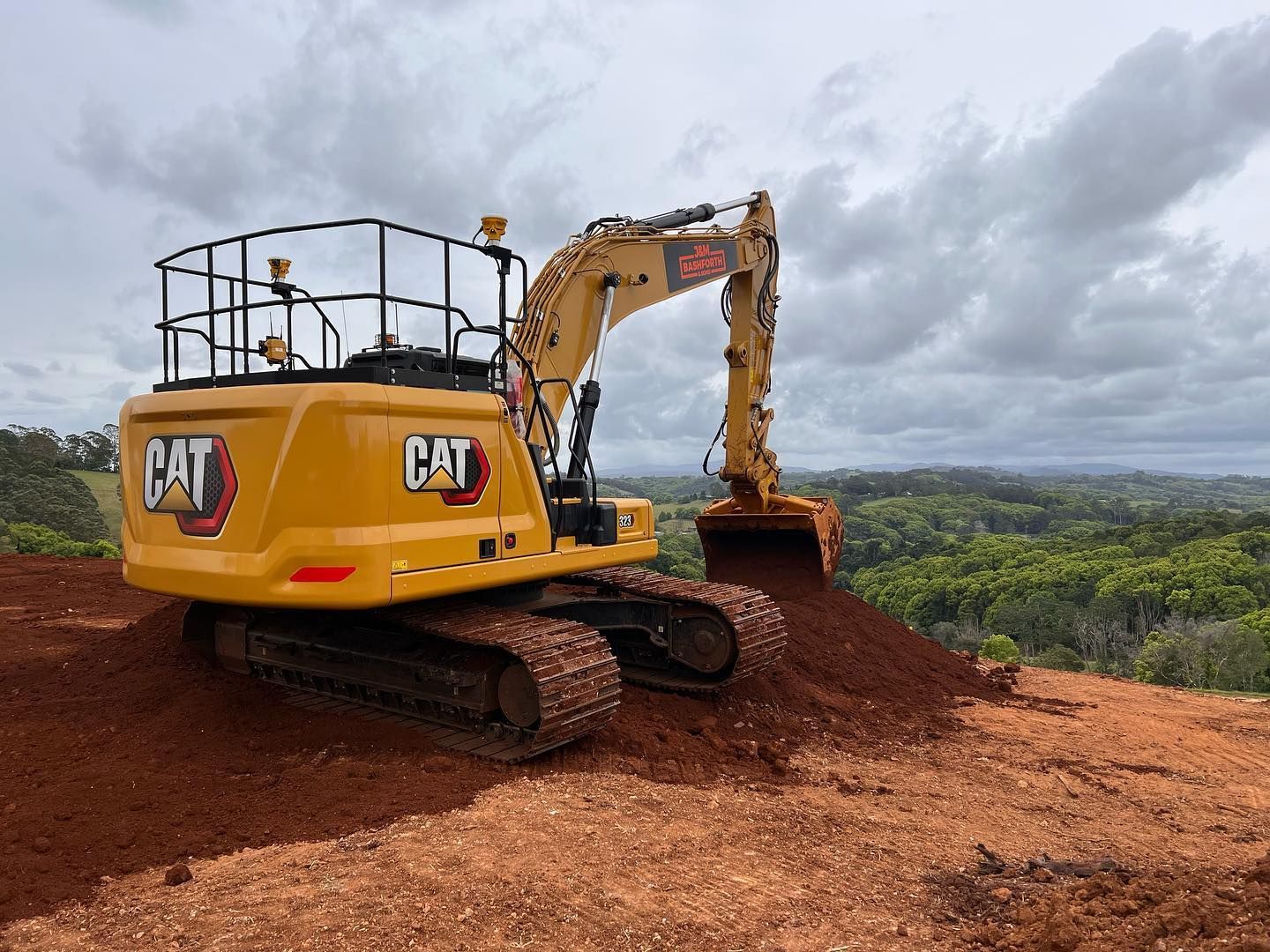
With excavator hire on sloped blocks, machine selection needs to account for stability and the terrain the excavator must cross and work from. A larger, heavier machine is not automatically safer simply because it has greater capacity.
Site factors can include:
- Gradient and changes in slope
- Available level working areas
- Ground stability
- Rock and other obstructions
- Vegetation and clearance
- Access for transporting the machine to the work area.
Some projects may also require earthworks to establish suitable working areas or staged access before the main excavation can proceed.
This is where an experienced assessment matters. The question shifts from “What is the biggest machine for the job?” to “What machine can work appropriately on this particular terrain?”
Rain Can Change a Site You Already Assessed
Anyone familiar with the Northern Rivers knows that ground conditions are not static. A site that was firm and accessible when a project was planned can look very different after sustained rain.
Wet weather can soften access routes, affect traction and bearing capacity, fill low areas and alter conditions around trenches and excavations. On floodplain and clay soils in particular, the difference between dry and saturated ground can be substantial.
That means information supplied when booking should reflect current conditions where possible. Recent rainfall, existing drainage issues, soft areas and creek or causeway access are worth identifying before machinery is transported to site.
Machine selection may consequently involve more than matching excavator tonnage to the volume of material being moved. Access on the day, the condition of the working platform and where excavated material can be placed all form part of the practical assessment.
Why Bigger Is Not Automatically Better
Larger excavators bring greater digging capacity, reach and productivity to work that genuinely requires them. Compact machines bring their own advantages where space, access or site conditions impose limits. Neither category is inherently the better choice.
The useful question is what the site will support while still allowing the required work to be completed effectively.
That distinction also keeps site-based machine selection separate from broader fleet productivity considerations. If your decision is primarily about output and machine capacity, Optimising Your Fleet: Mini Or Large Excavator For The Job? looks more closely at that comparison.
For site selection, however, access, soil and slope come first. Once those constraints are understood, the required excavation depth, reach, volume and attachments can help refine the choice further.
Give the Hire Team the Site Information Before the Machine Arrives
A useful machine recommendation depends on useful information about the site. Measurements, photographs and a clear description of the work can help identify obvious constraints, while more complex projects may require closer site assessment.
Before arranging machinery, consider providing details about:
- Minimum access widths and clearances
- Driveway condition and turning areas
- Slopes and changes in level
- Known soil or drainage issues
- Recent rainfall and soft ground
- Overhead or underground services
- The type and scale of excavation required.
Wet hire adds another advantage: an experienced operator comes with the machine. Bashforth’s operators work across Northern Rivers sites ranging from tight residential blocks to major civil projects, bringing practical local knowledge to the job.
Match the Excavator to Your Northern Rivers Site
Here at J & M Bashforth & Sons, we have been working across the Northern Rivers since 1946, giving us decades of experience with the region’s changing terrain and site conditions. From confined coastal properties and floodplain earthworks to farms, infrastructure projects and steep hinterland sites, we can assess the practical requirements of the job before recommending machinery.
For excavator hire in the Northern Rivers, talk to our team about your access, ground conditions, terrain and excavation requirements. With excavators ranging from compact machines for confined areas through to heavy-duty equipment for major earthworks, plus wet hire with experienced operators, we can help match the equipment to the site rather than relying on machine size alone.