Land Clearing With an Excavator: Northern Rivers Guide
If you've recently acquired a rural block or have a long-neglected corner of your property that needs clearing before a build, fence line or access track, you've probably already realised that land clearing is rarely as simple as it looks. The Northern Rivers region throws a bit of everything at you — dense scrub, thick native regrowth, clay-heavy soils, steep terrain and the occasional stump that would test a much bigger machine than expected. Getting the right equipment on site from the start makes a significant difference to how efficiently the job gets done and what it ends up costing you.
This guide to excavator hire in Ballina is for rural and semi-rural property owners thinking through a land clearing project. It covers what an excavator is capable of, when you might need additional machinery, what permits or approvals may apply in NSW, and how to prepare your site before the machine arrives.
What an Excavator Can Handle on Rural Land
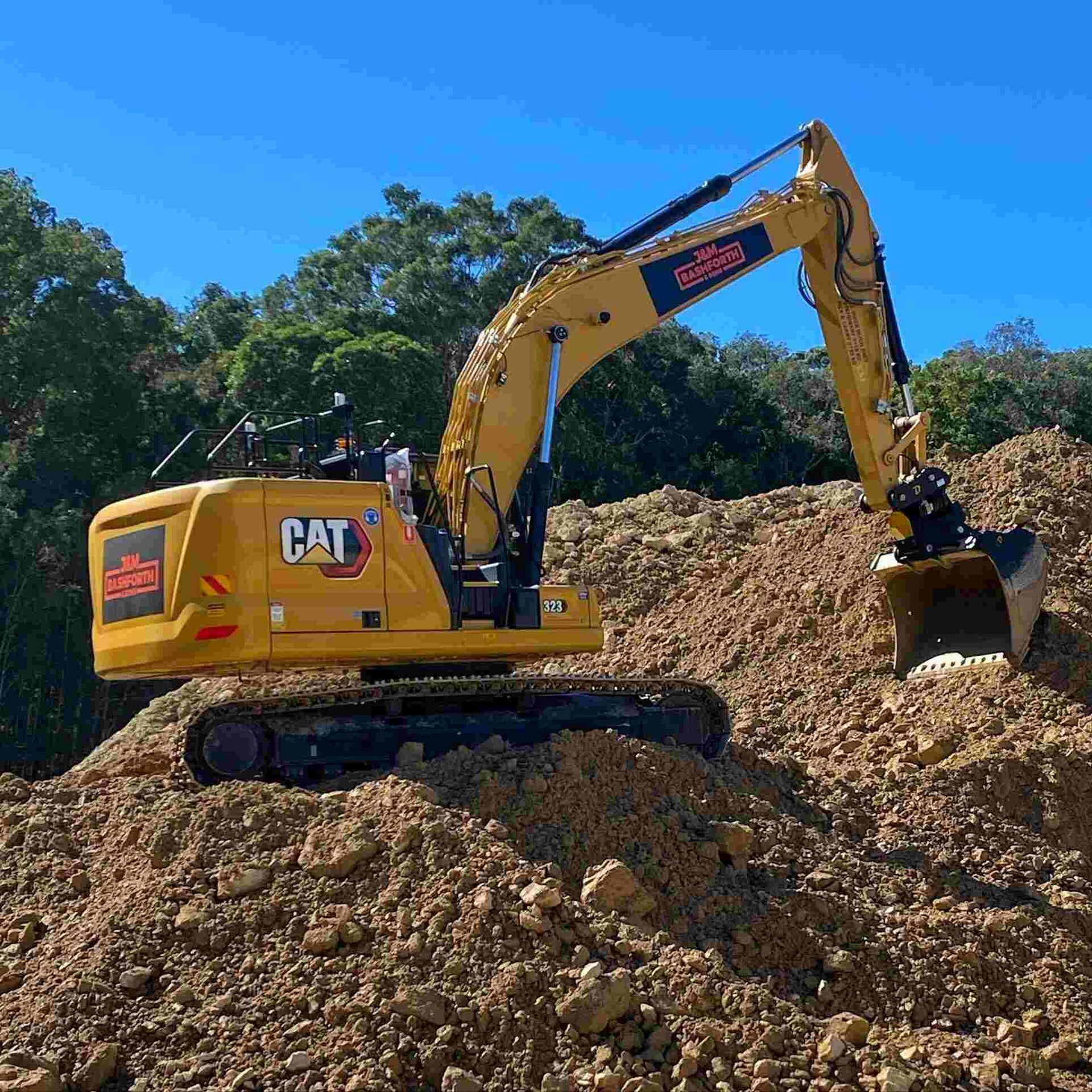
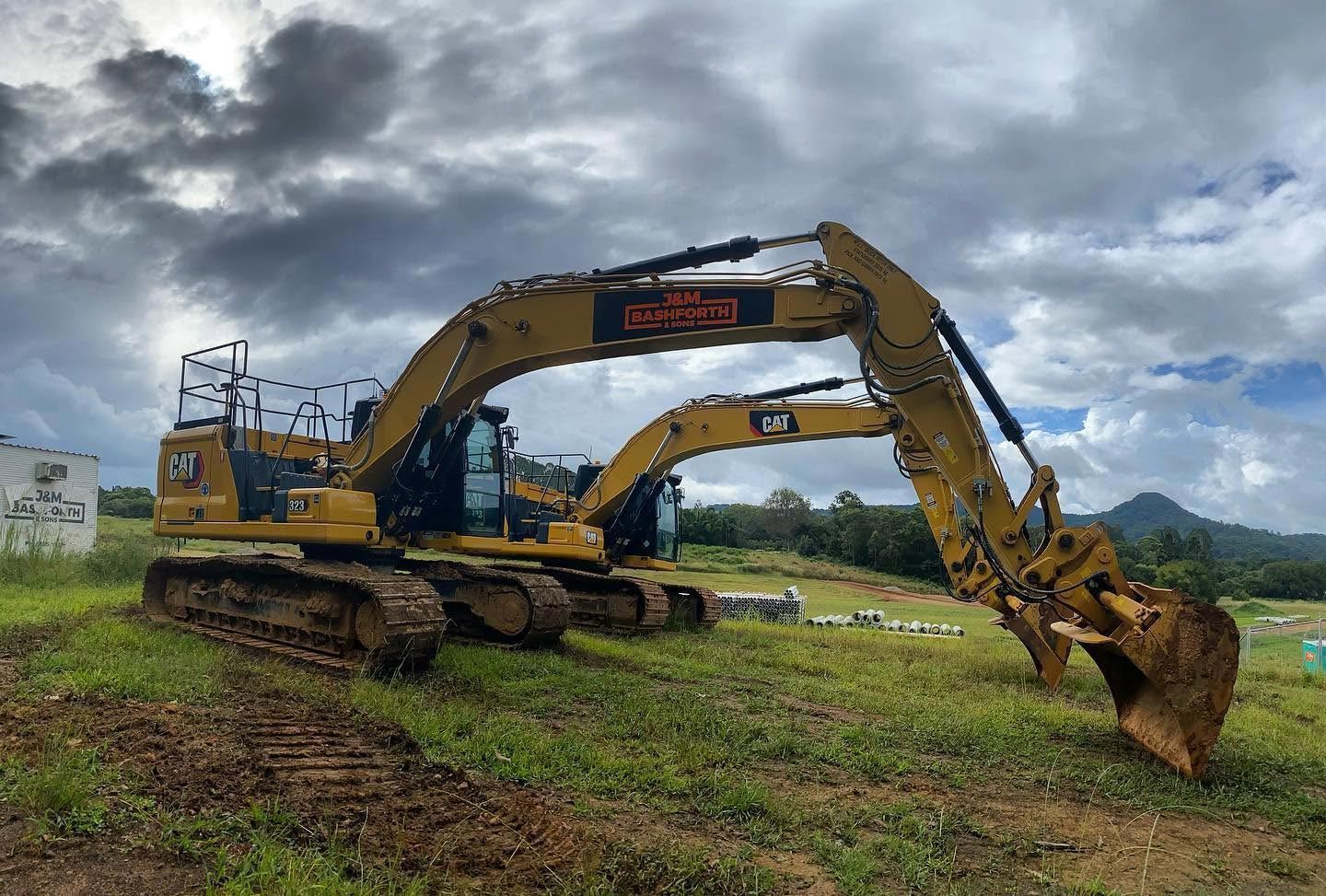
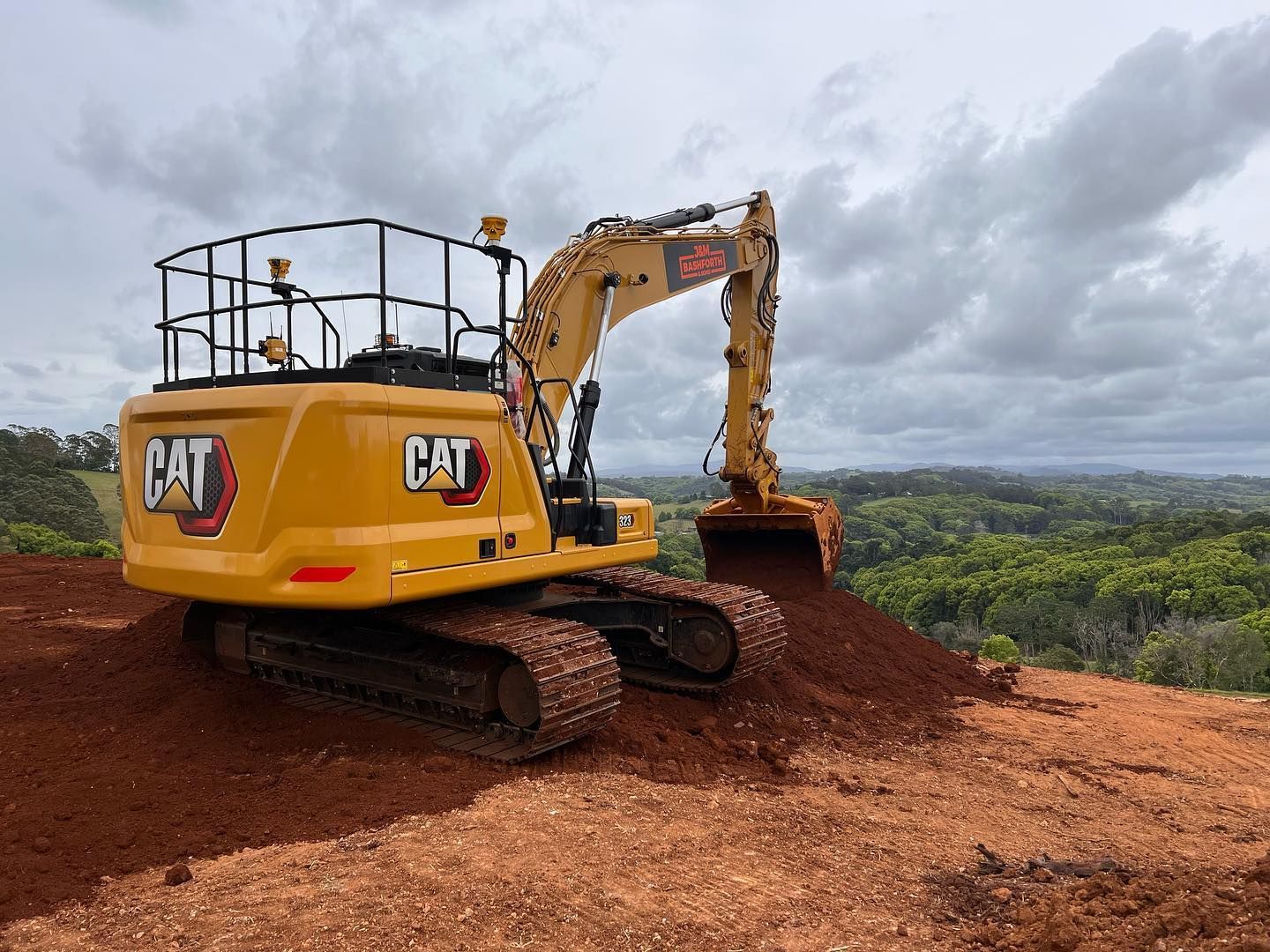
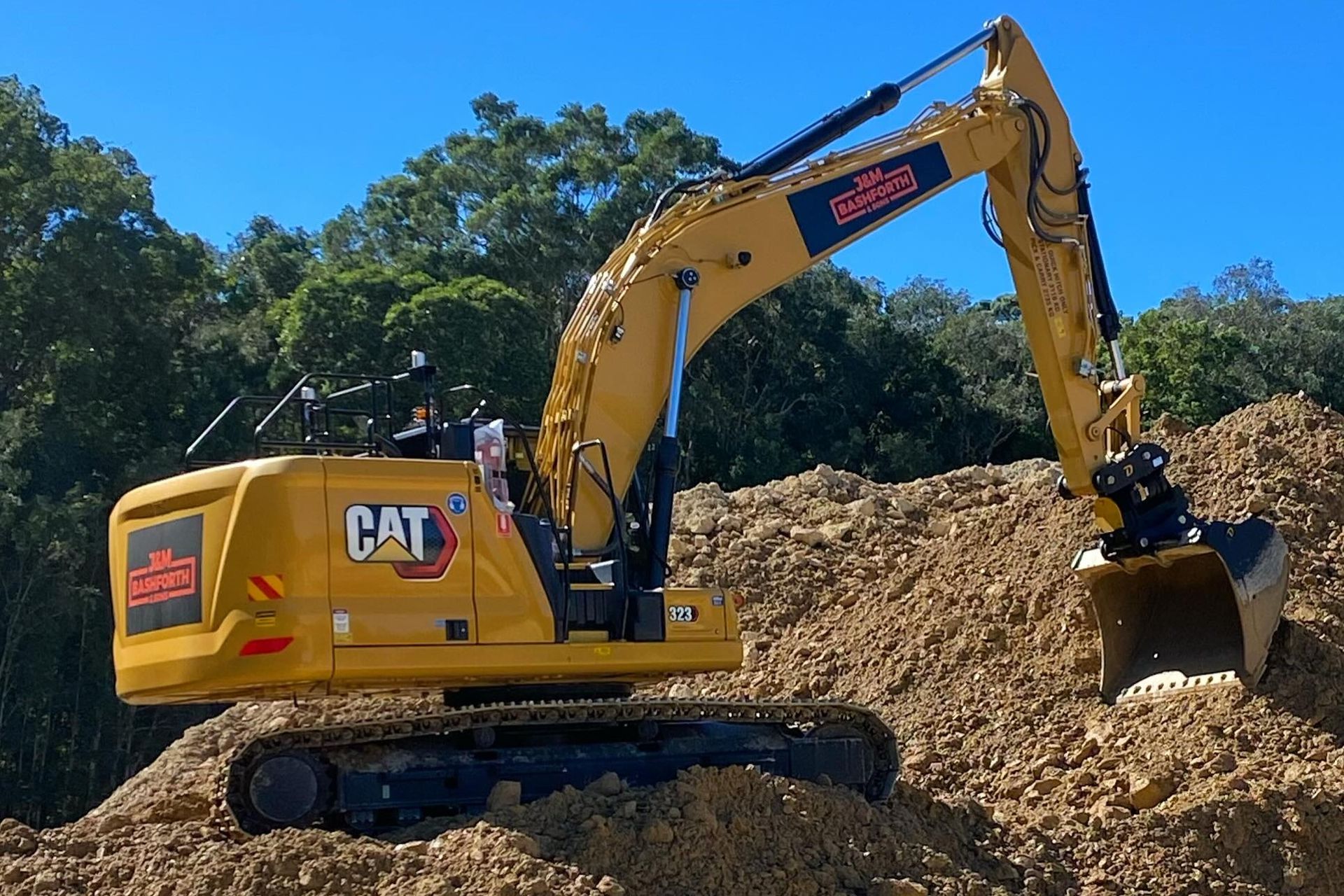
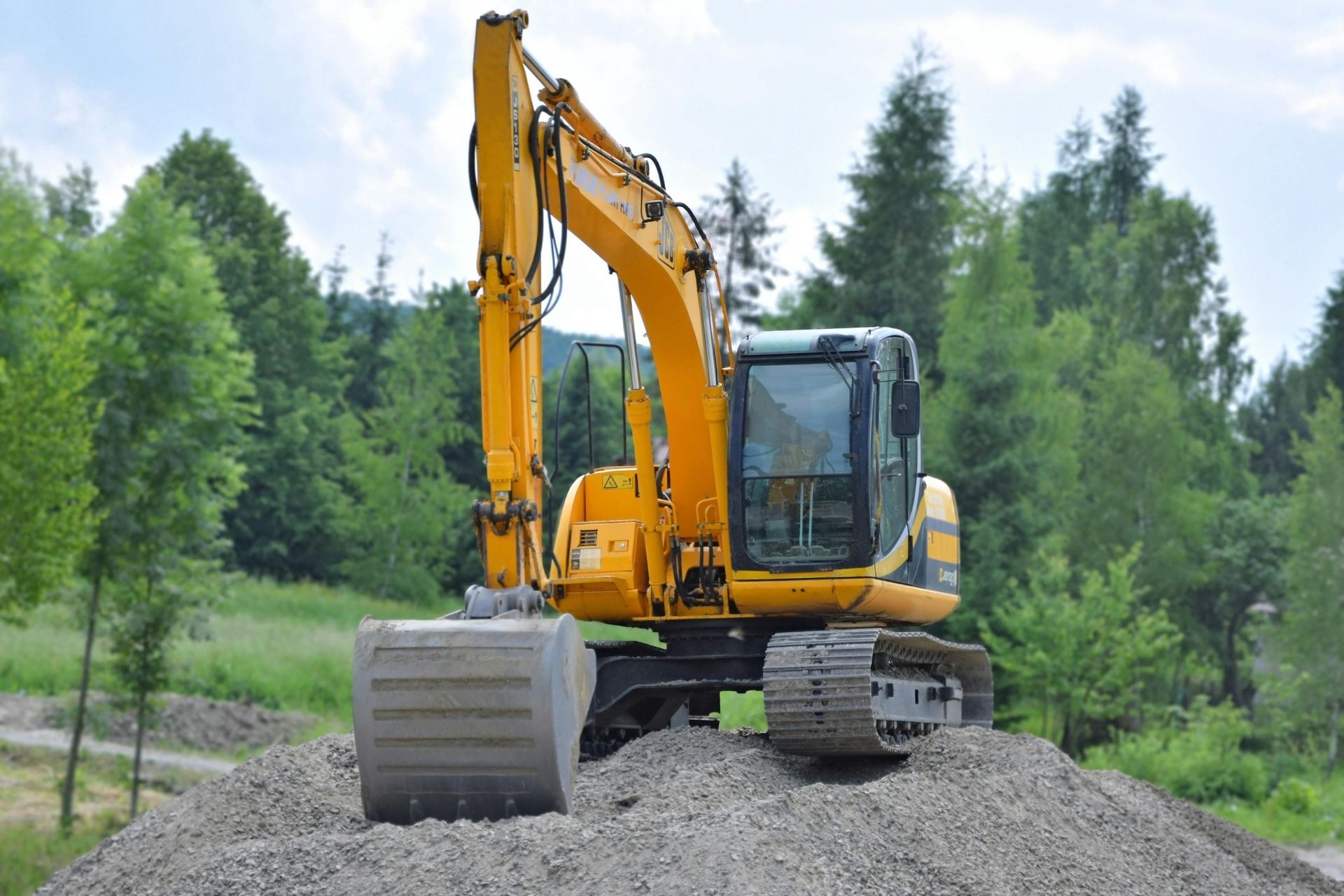
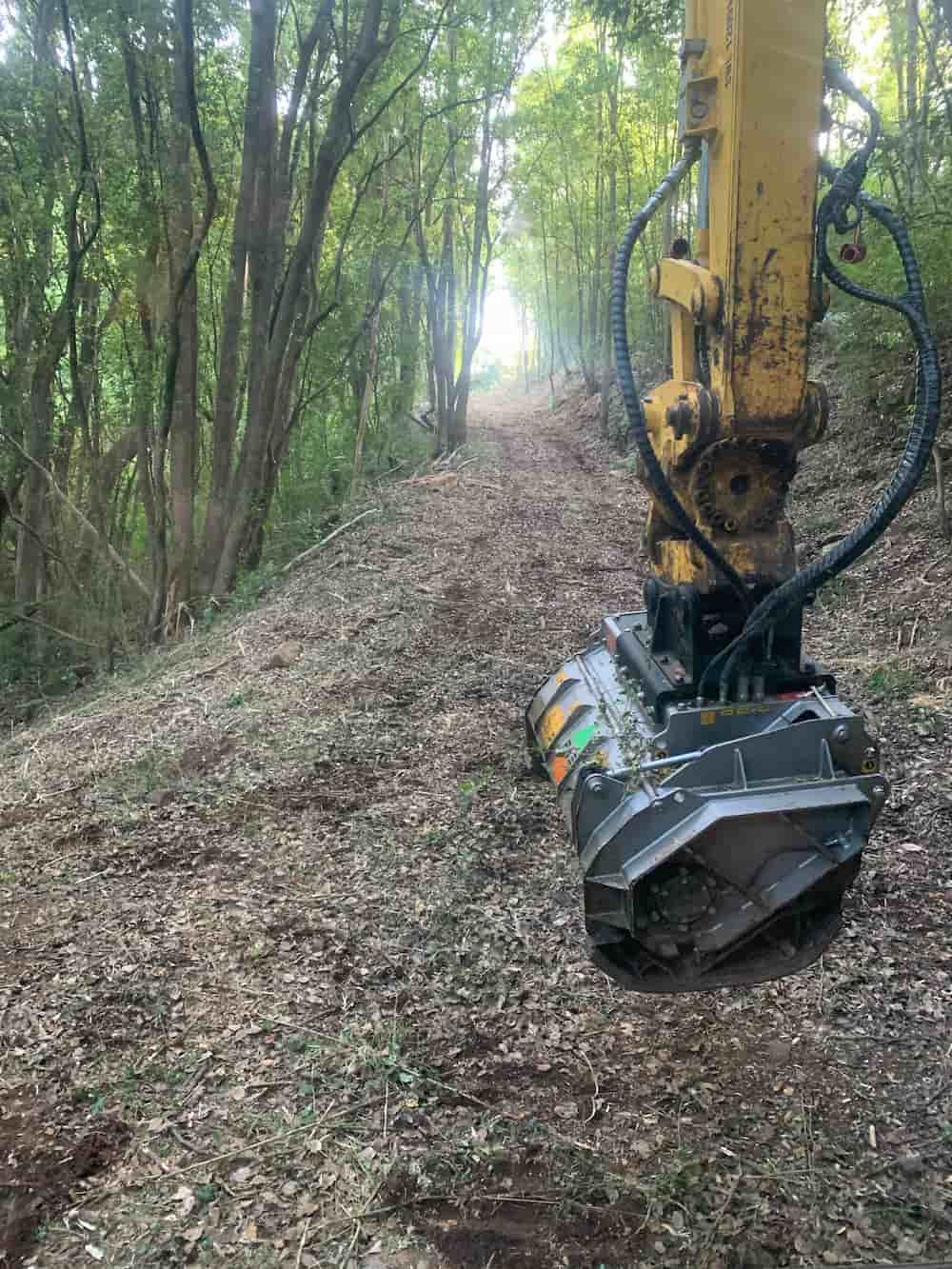
Excavators are one of the most versatile machines available for land clearing work. Fitted with the right attachments, a modern excavator can tackle a wide range of vegetation and terrain conditions that would be impractical or impossible to address by hand.
For most rural clearing projects, an excavator is well suited to:
- Removing trees and shrubs, including root systems, rather than just cutting at ground level
- Grubbing out stumps left behind from previous clearing or storm damage
- Clearing thick regrowth and weed infestations on semi-rural blocks
- Shaping and levelling ground after vegetation is removed
- Digging drainage channels and preparing sites for footings or slab work
- Clearing fence lines through rough or uneven terrain
The key advantage of using an excavator for clearing work — compared to simply mulching or brush-cutting — is the ability to remove root systems entirely. This matters on building sites where stumps and roots left in the ground can cause subsidence, drainage problems and complications during construction. Land clearing is one of the most frequent uses for excavator hire across the Northern Rivers — see our breakdown of the most common projects that call for one to get a better sense of what else the equipment can handle on your property.
When You Might Need Additional Machinery
An excavator is capable of a great deal, but there are situations where bringing in complementary equipment will get the job done faster and more cost-effectively. Understanding when additional machinery is needed helps you plan the project accurately and avoid unexpected delays.
A dozer is worth considering when:
- You have large areas of heavy scrub or timber to clear and push into windrows for burning or chipping
- The terrain is steep enough that an excavator's reach and stability are limiting factors
- You need to bulk push cleared material across a large area quickly
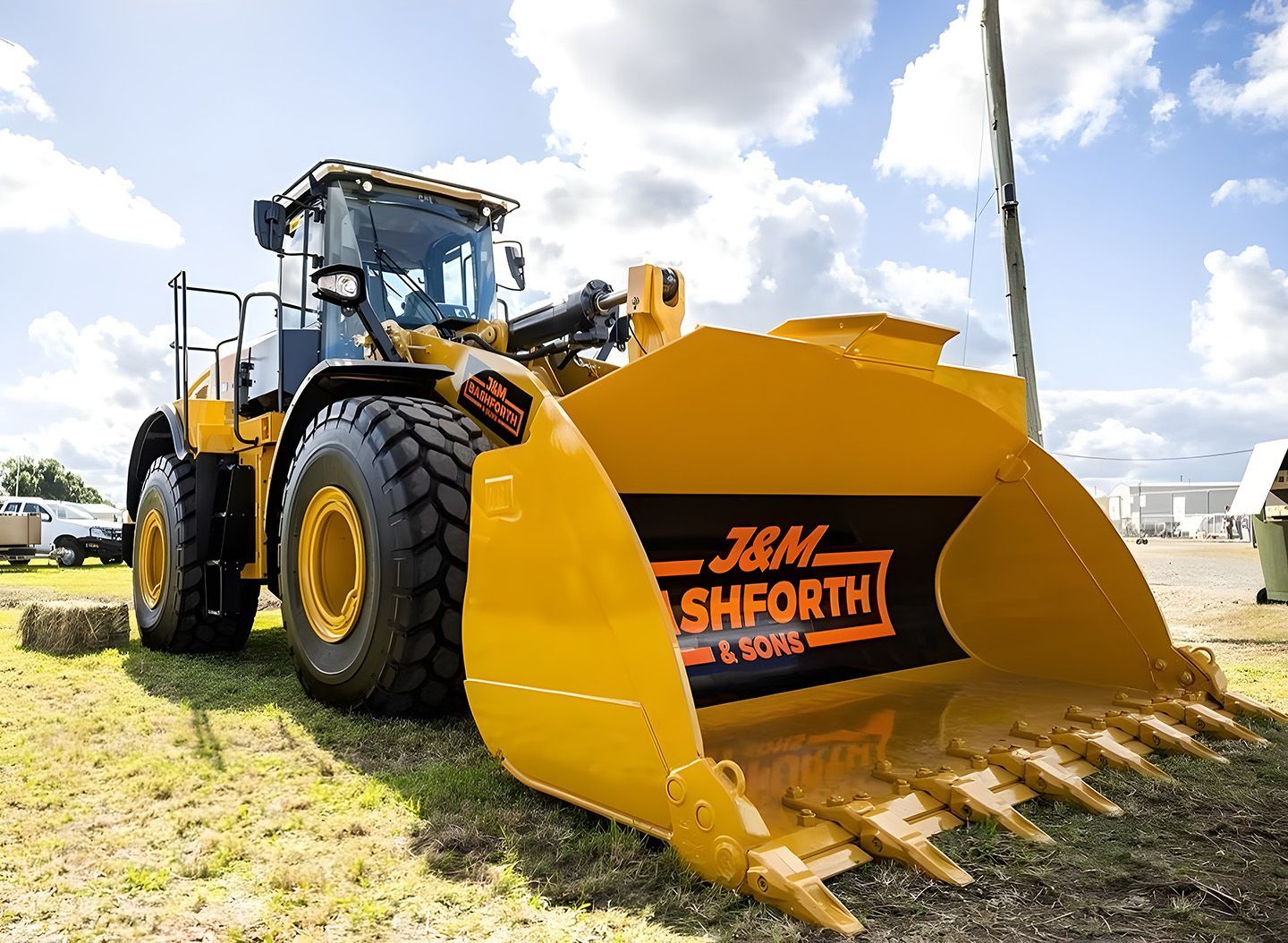
A loader becomes useful when:
- There is significant volume of cleared material to load and remove from site
- You need to stockpile or redistribute soil across different parts of the property
- The clearing job transitions into site filling or preparation work requiring imported material
For larger or more complex clearing projects, it is worth discussing the full scope with a civil contractor early. For large-scale clearing and site development, our earthworks services team can scope and manage the full project, including advising on the right combination of machinery for your terrain and vegetation type.
Permit Considerations for Land Clearing in NSW
Land clearing in New South Wales is regulated, and the rules that apply to your project will depend on the type of vegetation on your land, its zoning and the scale of clearing you are proposing. Getting this right before work starts is important — clearing without the appropriate approvals can result in significant fines and a requirement to rehabilitate the land at your own expense.
The key regulatory framework to be aware of includes:
- The Biodiversity Conservation Act 2016 and the Local Land Services Act 2013, which together govern most rural land clearing in NSW
- Exempt clearing provisions, which allow low-risk clearing activities without approval — such as clearing within the building footprint of an approved development or maintaining existing fence lines
- Biodiversity offsets and development applications, which may be required for clearing above certain thresholds or on land mapped as sensitive
- Local council requirements, which can add an additional layer of approval depending on the land use zone and location of the property
In practical terms, if you are clearing a modest area to prepare for an approved residential build or rural structure, you will often fall within exempt provisions. However, if your project involves clearing native vegetation beyond those thresholds, or your land sits within an area mapped under the Biodiversity Values Map, you should speak with your local council or a land clearing consultant before work begins. It is also worth checking whether any creek setbacks, riparian zones or koala habitat designations apply to your property, as these can affect where and how clearing can be carried out.
Understanding Your Terrain and Vegetation Before You Book
One of the most useful things you can do before a machine arrives on your property is understand what you are actually dealing with. Rural blocks across the Northern Rivers vary significantly in their soil types, gradient, drainage patterns and vegetation density — and these factors directly affect how long the job will take and what attachments or approach will be most effective.
Things worth assessing before you book equipment include:
- The density and species of vegetation — regrowth scrub clears faster than established hardwood
- Soil type and moisture levels, particularly if you have clay-heavy ground that becomes boggy in wet weather
- Site access — whether there is a clear, firm path to get a machine onto the area being cleared
- Proximity to fences, water infrastructure, power lines or neighbouring properties that need to be avoided
- Approximate volumes of material to be disposed of, and whether burning, chipping or cartage is the intended method
Having photos of the site and a rough sketch of the area to be cleared is also genuinely helpful when getting a quote. It allows the operator to come prepared with the right attachments and gives you a more accurate cost estimate from the outset.
Preparing Your Site Before the Machine Arrives
Good site preparation reduces delays and helps the operator work more efficiently from the moment they arrive. While the specifics will depend on your property, there are a few practical steps that apply to most land clearing jobs.
Before the machine is on site, it helps to:
- Mark out any areas to be avoided — tree protection zones, underground services, boundary lines
- Identify and flag any hazards such as old farm infrastructure buried in vegetation, irrigation lines or concrete slabs hidden under overgrowth
- Confirm access points and whether any temporary access improvements are needed to get the machine in safely
- Arrange for any required burning permits in advance if cleared material will be burnt on site
- Check with your local council whether a soil and water management plan is required for the scale of works
The more clearly the scope is defined on the ground before work starts, the smoother the job tends to go. Operators who know exactly what they are working with can move efficiently and avoid the kind of on-site decision-making that adds time to the project.
Soil and Drainage Considerations After Clearing
Land clearing changes the way water moves across your property. Removing vegetation and root systems exposes soil to rainfall, and without careful management, cleared areas can become erosion-prone or waterlogged — particularly during the Northern Rivers' wetter months.
After clearing, it is worth considering:
- Whether temporary erosion controls such as silt fences or hay bales are needed to protect cleared areas before revegetation or construction begins
- Whether the cleared ground needs reshaping to direct stormwater away from building sites or boundary fences
- Whether topsoil should be stripped and stockpiled before bulk earthworks begin, so it can be reused for revegetation or finished landscaping
- The timing of works relative to the wet season — jobs completed going into the dry are generally easier to manage from an erosion and access perspective
For sites where a building or rural structure will follow the clearing, coordinating the drainage design early will save work later. Addressing drainage as part of the clearing phase rather than retrofitting it after construction is almost always more efficient.
Choosing a Local Operator With Regional Knowledge
Land clearing in the Northern Rivers is not a generic job. The region's combination of subtropical vegetation, variable terrain and relatively high rainfall creates conditions that a contractor unfamiliar with the area may underestimate. An operator who knows the difference between what a Bangalow hinterland block looks like versus a floodplain property outside Ballina will approach the job differently — and that local knowledge has real practical value.
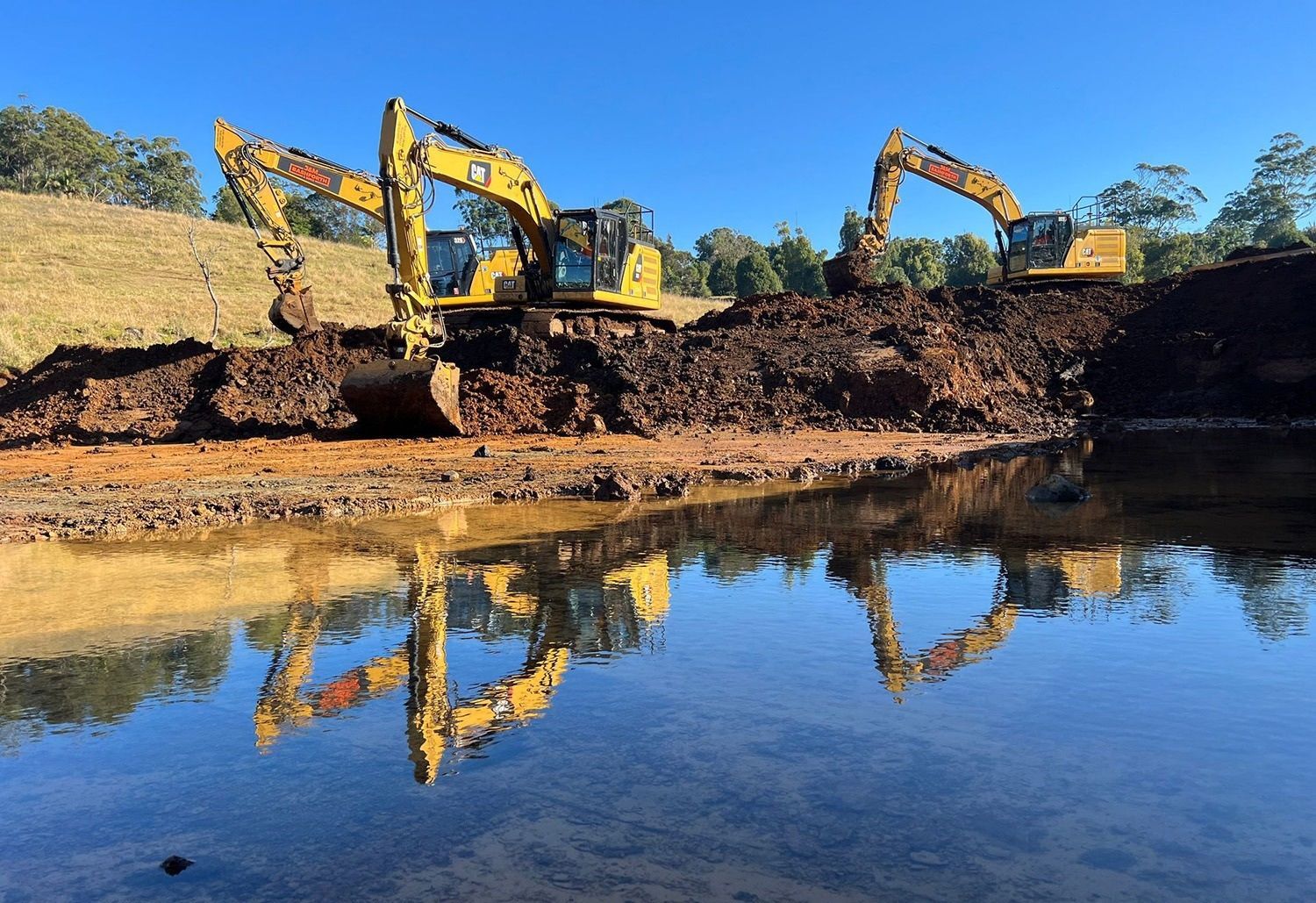
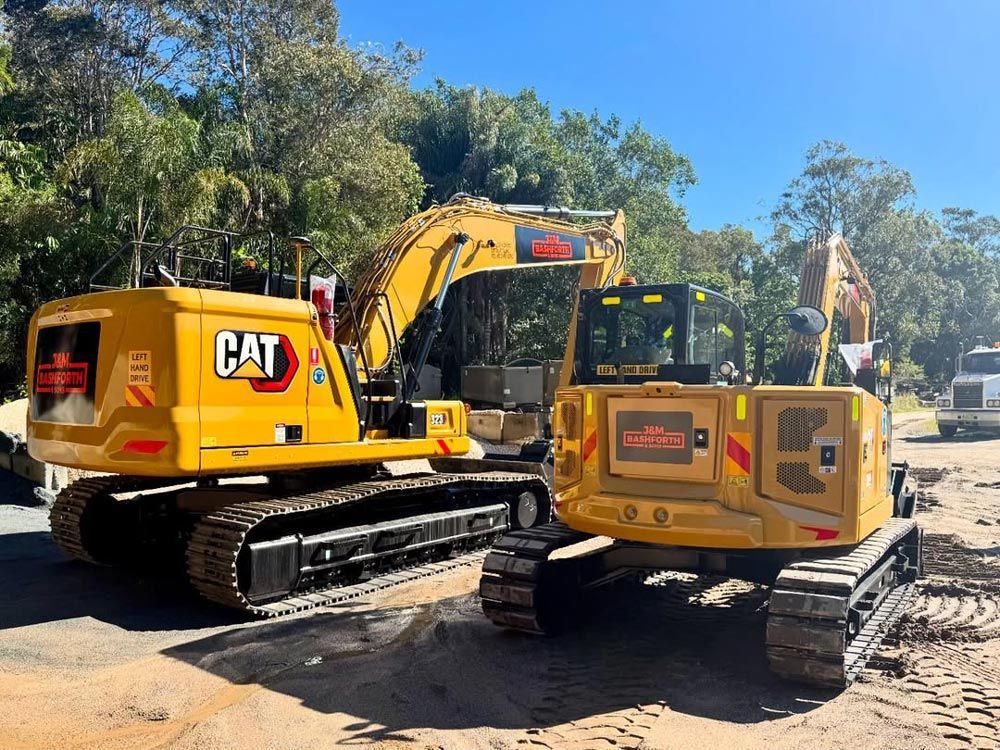
J & M Bashforth & Sons provides excavator hire Northern Rivers wide, with local knowledge of the terrain and vegetation types found across the region. Whether your project is a small acreage block being prepared for a home, a rural property requiring fence line clearing or a larger site development requiring full earthworks management, choosing an operator who understands the conditions makes the job run more smoothly from start to finish.
Getting Your Project Started
Once you have a clear picture of the scope, the permits that apply and how the site needs to be prepared, the practical next step is getting the right equipment and operator on the ground. For land clearing and site prep, excavator hire Ballina from J & M Bashforth & Sons gives you access to experienced operators and the right machinery for the job.
At J & M Bashforth & Sons, we have been working across the Northern Rivers since 1946, and our team understands the land, the conditions and what it takes to get a rural clearing project done properly. Whether you are in Ballina, Alstonville, Bangalow or anywhere across the region, we welcome you to get in touch to discuss your project. Get in touch with our team — we are happy to talk through the scope and provide a quote that reflects the actual conditions on your property.